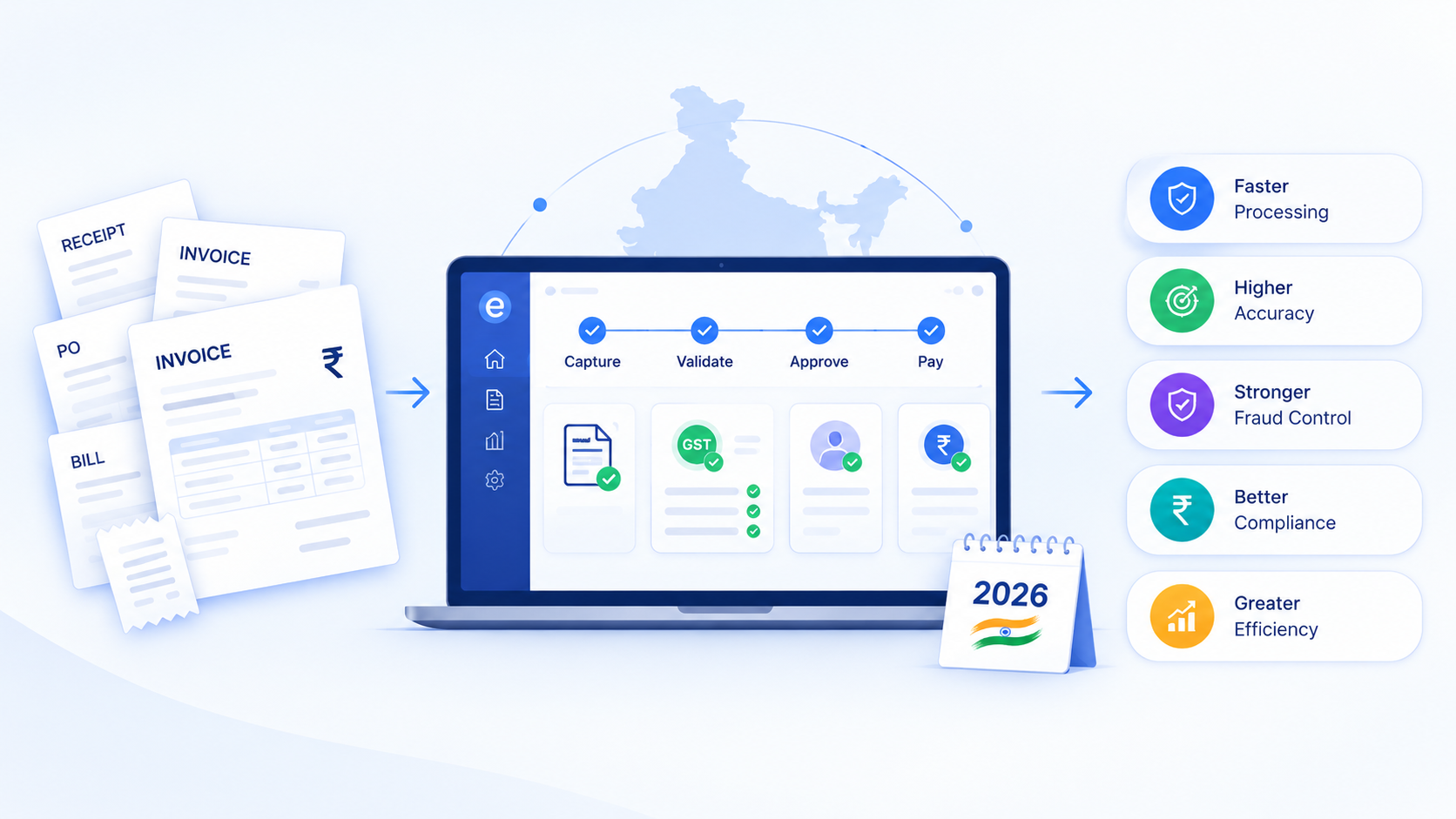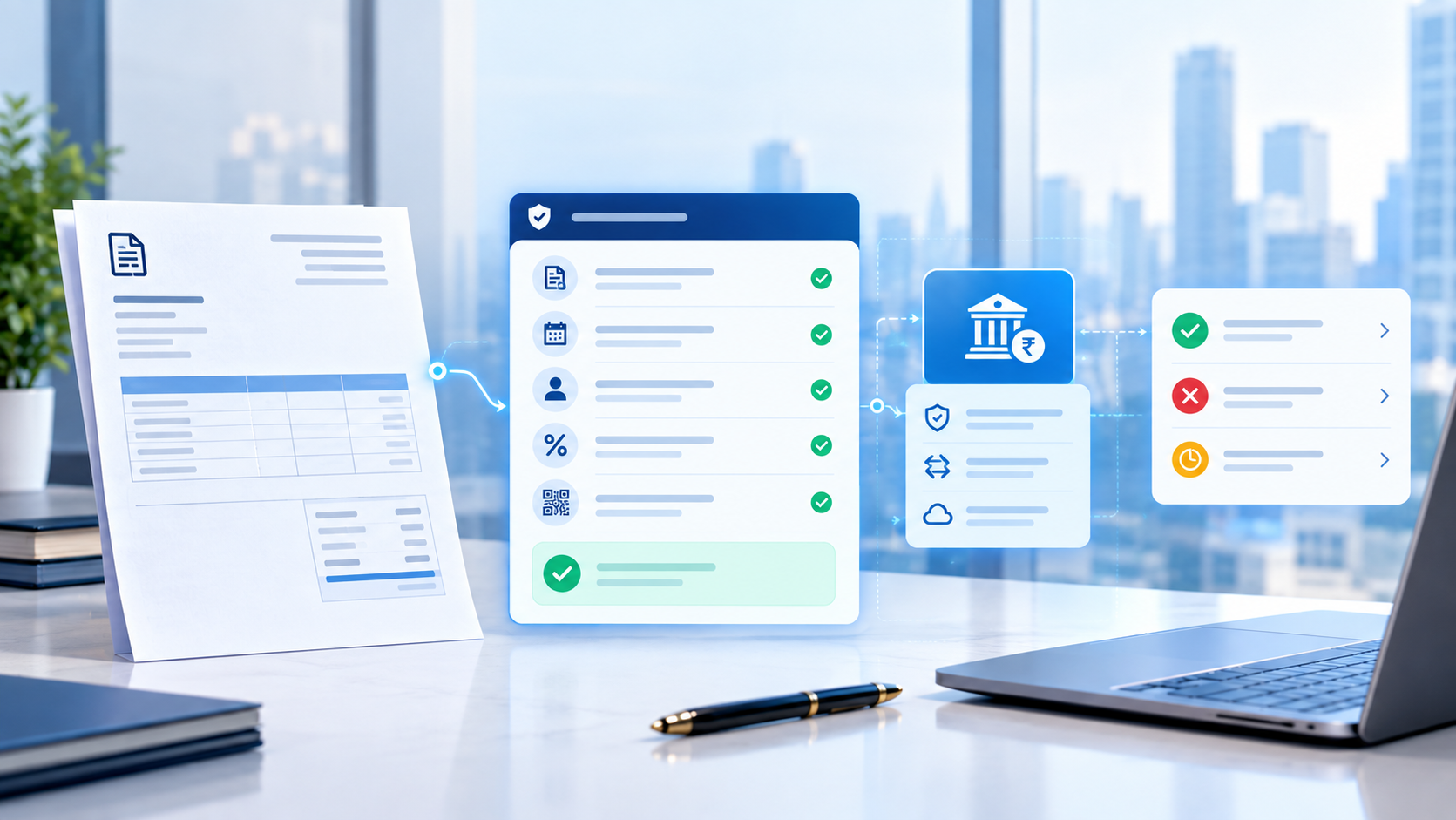

Expense management in most organizations is either spreadsheets or email based. In some cases, you might even find expense management being implemented manually. However, none of them have really simplified the work, and the tasks remain highly tedious.
As operations are complex, high overheads are inevitable, and they land companies in a mesh of problems. Having caused almost no improvement to expense management over the last few years of digitization, the word you should be looking at is “automation”.Expense management processes in organizations are sluggish, and they involve a vast number of steps to update transactions. Mistakes and controversies do occur. Moreover, cross-checks, authority sanctions, and cross-department forwarding are only some processes eating into your person-hours. Besides, submissions and approvals are difficult to implement perfectly without web-based automation.
What’s Missing In Your Expense Management Process?
Most applications used for the purpose of keeping the books today are not web-based. As a result, great manual effort goes into importing files, renewing licenses, and finding prompt tech support. Even if some organizations have web-based apps, the entire process, from creation of a sheet to approval for entry is manual.SaaS As A Proposed Solution
Software as a service is all about the software provider ensuring tangible increase in productivity for the user. Essentially web-based, SaaS is also a way to use an application with flexibility. The service, or software provider, is usually able to provide on-demand solutions to the user, which results in a number of benefits. They include automated submissions and approvals, electronic transactions, and fewer mistakes. Whether or not your offices are located in different geographies, SaaS-style expense management will prove surprisingly convenient. Besides, the software features of expense management do matter as well.
What Should An Efficient Expense Management Software Have?
The world has come a long way from mere computerization of manual operations. Today, software intelligence and flexibility count in a big way. You may also need a system that has an employee dashboard, the arrangement to handle exceptions, and an interface to set the workflows. Besides, with web-based integration, employees and authorities can securely access the system and update it from anywhere – be it on mobiles or desktops, all they need is internet connectivity.High-level integration makes a software system more intelligent, because it is linked with more information and programmed to be used efficiently. Putting that feature to use is easy when software as a service is implemented and on-demand applications are made available. Efficient expense management is made possible by certain cutting-edge features today.
Automated expense management features for enterprises:
- Easy-to-use policy configurator pertaining to claims, approvals, entries, and payments
- Dynamic integration with entitlements and use of policy exceptions
- E-wallet, credit card facilitation, and expense reports tracking to save time
- Multi-currency and spend-analysis modules integrated for global processing
- Automated reminders, employee dashboard, best practices, and compliance modules
- Powerful management information system (MIS) to identify areas of slack
Technology has come a long way for companies to implement expense management without costing them any noticeable overhead. Besides that, the right application and environment can reduce errors, time spent, and increase the simplicity of handling a company’s books, holistically!
Expense management in most organizations is either spreadsheets or email based. In some cases, you might even find expense management being implemented manually. However, none of them have really simplified the work, and the tasks remain highly tedious.
As operations are complex, high overheads are inevitable, and they land companies in a mesh of problems. Having caused almost no improvement to expense management over the last few years of digitization, the word you should be looking at is “automation”.
Expense management processes in organizations are sluggish, and they involve a vast number of steps to update transactions. Mistakes and controversies do occur. Moreover, cross-checks, authority sanctions, and cross-department forwarding are only some processes eating into your person-hours. Besides, submissions and approvals are difficult to implement perfectly without web-based automation.
What’s Missing In Your Expense Management Process?
Most applications used for the purpose of keeping the books today are not web-based. As a result, great manual effort goes into importing files, renewing licenses, and finding prompt tech support. Even if some organizations have web-based apps, the entire process, from creation of a sheet to approval for entry is manual.
SaaS As A Proposed Solution
Software as a service is all about the software provider ensuring tangible increase in productivity for the user. Essentially web-based, SaaS is also a way to use an application with flexibility. The service, or software provider, is usually able to provide on-demand solutions to the user, which results in a number of benefits. They include automated submissions and approvals, electronic transactions, and fewer mistakes. Whether or not your offices are located in different geographies, SaaS-style expense management will prove surprisingly convenient. Besides, the software features of expense management do matter as well.
What Should An Efficient Expense Management Software Have?
The world has come a long way from mere computerization of manual operations. Today, software intelligence and flexibility count in a big way. You may also need a system that has an employee dashboard, the arrangement to handle exceptions, and an interface to set the workflows. Besides, with web-based integration, employees and authorities can securely access the system and update it from anywhere – be it on mobiles or desktops, all they need is internet connectivity.
High-level integration makes a software system more intelligent, because it is linked with more information and programmed to be used efficiently. Putting that feature to use is easy when software as a service is implemented and on-demand applications are made available. Efficient expense management is made possible by certain cutting-edge features today.
Automated expense management features for enterprises:
- Easy-to-use policy configurator pertaining to claims, approvals, entries, and payments
- Dynamic integration with entitlements and use of policy exceptions
- E-wallet, credit card facilitation, and expense reports tracking to save time
- Multi-currency and spend-analysis modules integrated for global processing
- Automated reminders, employee dashboard, best practices, and compliance modules
- Powerful management information system (MIS) to identify areas of slack
Technology has come a long way for companies to implement expense management without costing them any noticeable overhead. Besides that, the right application and environment can reduce errors, time spent, and increase the simplicity of handling a company’s books, holistically!