
It was an interesting panel discussion about the ‘CFO’s role in the digital environment’ at the 11th Edition India CFO Summit 2021, moderated by Mr. Shabbir Imani, Founder Director, Expenzing. The panelists were Mr. Sambasivan, CFO TATA Sky, Mr. Kairav Modi, EVP Finance Siemens India, Mr. Kathir Kamanathan, CFO Lanco Tanjore Power, Mr. Darpan Vashishtha, Group CFO Hero Cycles, and Mr. Kapil Bagadia, CFO EY India.
The below article is derived from the insightful discussion about their experience with digital initiatives in their organizations.
At the beginning of the COVID pandemic, many organizations underwent hyper-automation to increase efficiency and reduce person-specific dependency. Now, as we enter the third year of COVID, we are more comfortable with digital initiatives than a few years back.
From the CFOs perspective- What has changed?
What are CFOs looking for from the spend management products on their digital transformation journey in 2022?
Here are a few expectations CFOs have from Spend Management Solutions in 2022.
1. A Strong Business Case:
This has certainly not changed. One does not buy technology just for the sake of it. Any digital product, just like any product really, needs to make business sense. There needs to be a quantitative and/or qualitative ROI attached to any investment made. Most CFOs are looking at making the lives of their teams easier. For some, that also translates to automating all processes that can be, so that the teams are free to contribute to better analysis and decision-making.
1. Cost Reduction
A streamlined process reduces the friction between stakeholders and reduces the time and resources required. It also results in better terms of payment and faster onboarding. Systematic vendor process management and setting of expectations help establish longer and more meaningful vendor relationships that reduce the cost of vendor maintenance.
2. Easy to Use:
Users naturally adapt to what feels easy and intuitive. That also translates to reduced costs in reskilling and retraining the users. In addition to that, with the android explosion, people have convenient technology at hand, and they expect the same from applications at the workplace. Tech-savvy Millennials form the majority of the working force, and an archaic UI/UX can become a factor in resistance to overall product and policy adoption. Reskilling and motivating users to accept a new product became a challenge with all teams being remote and therefore not easily accessible. Ease of use- that was earlier hanging out with a ‘good-to-haves’ pre-pandemic shot right to the top of ‘must-haves’ in 2022.
3. Seamless integration:
Seamless integrations have also made the jump to ‘must-haves’. The days of applications working in silos are long gone, and the new world order expects multiple applications to work in a seamlessly integrated manner, not only within but also across organizations. It removes the redundancy of work that comes with manual intervention and protects data integrity. This plays a significant role in creating a network of composite specialist applications instead of a do-it-all generic system. We have arrived at industry 4.0, and no one wants to take a step back.
4. Quality upgrades:
Modern product companies launch new features and fixes more frequently. Now more than ever, you could be looking at a completely outdated product- physical or otherwise without a regular upgrade. Upgrades of workplace applications also follow suit. However, upgrades become challenging and costly when the applications are customized. More CFOs are therefore choosing to go with out-of-the-box applications so that they can get timely, feature-rich upgrades.
5. Easier Audit and Compliance:
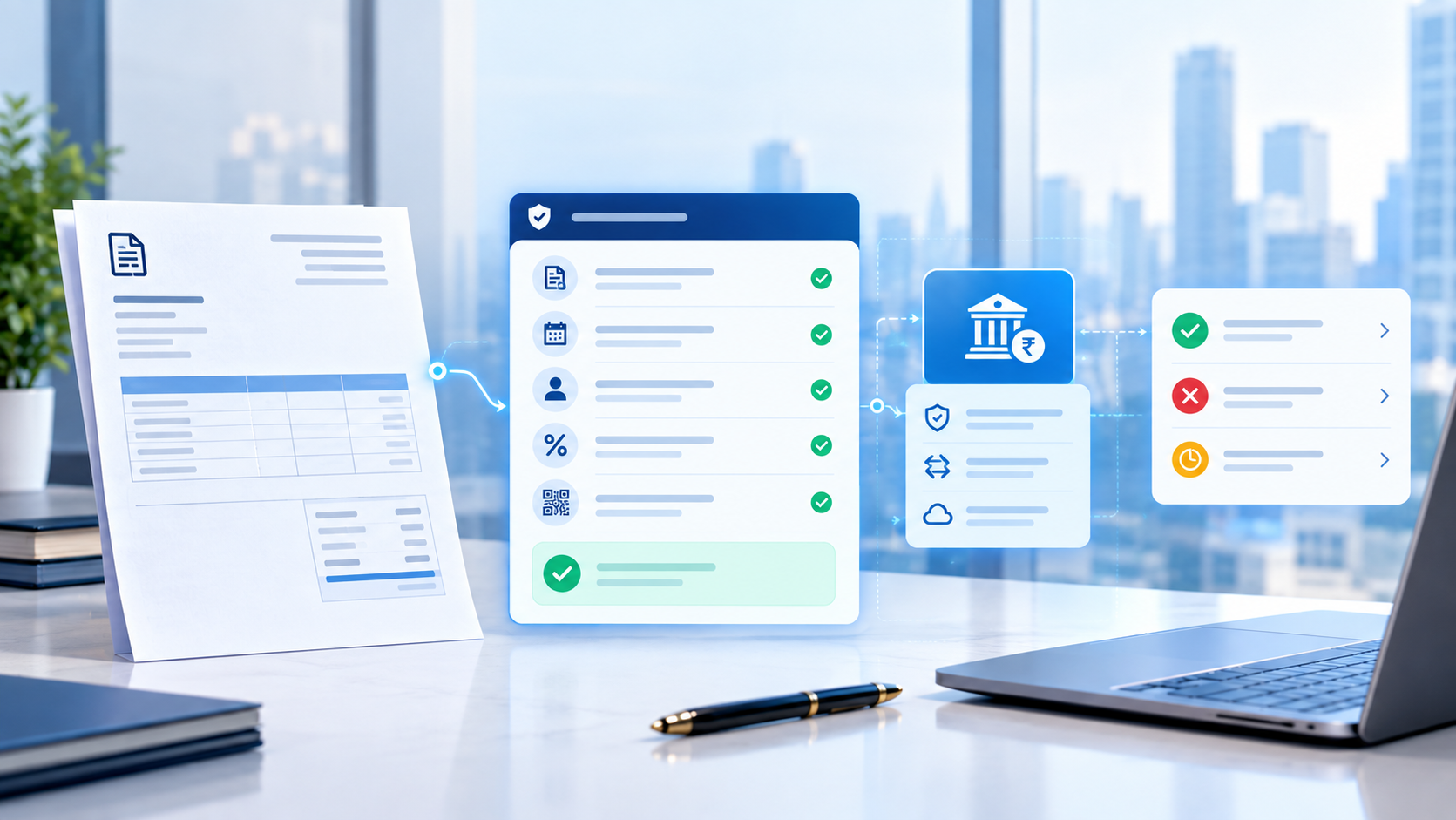
A lot of manual work for approvers, accounts teams, and procurement teams is to check and verify. CFOs expect such checks and balances to be built in the system, with some level of intelligence to highlight exceptions and decide the next step. Having inbuilt checks can dramatically reduce any compliance issues and have better audits.
6. Better Data Visualization:
The expectation from the system is to free up the team bandwidth, to allow them to do more analytical work. As an extension to that goal, the system also needs to showcase data to enable the decision-makers to make better decisions. This data should help the team to reduce expenses, create better contracts, improve supplier relations, trend forecasting, better budget adherence, fraud identification, increase in rate contracts, etc.- actions that contribute to direct savings.
7. Increase in Operating Efficiency:
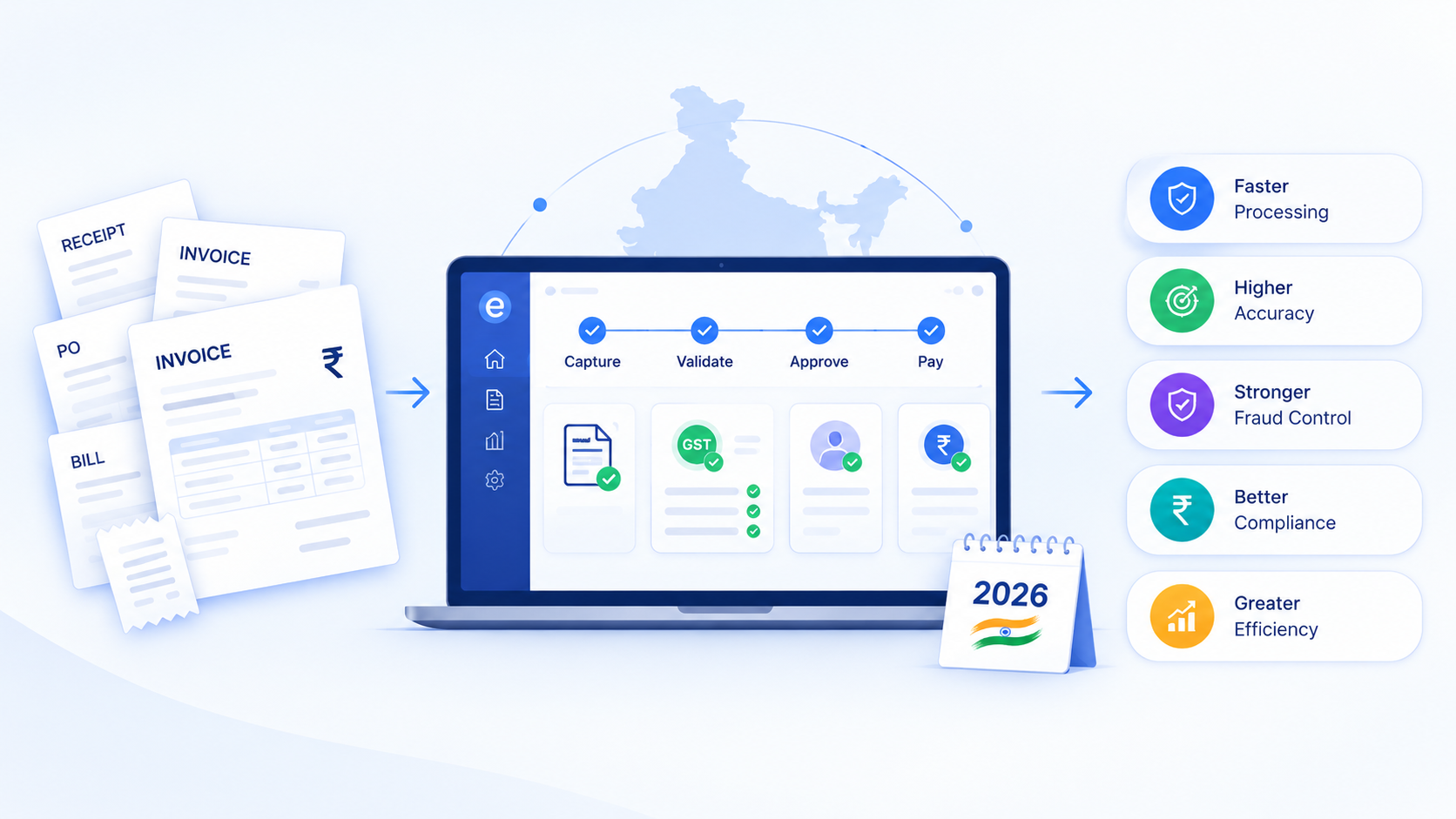
While we have been talking a lot about agility and resilience, efficiency remains one of the essential objectives of automation. The system should allow teams to do more in less with more accuracy. A spend management system should help reduce data entry, reduce time and effort taken by the team to place orders and process invoices, and thereby increase the operating efficiency of all users part of the purchase cycle.