
- Lack of awareness: They do not know which system to log-in to and have not had appropriate training. Usually, business users need to use procurement software only once in a blue moon, and so no one really bothers with full-martial training just for the same.
- Difficult to Use system: Once a business user accepts the reality of raising PR in the system, it is a different battle altogether. It is challenging to know the correct item code or Cost Center Code, and whether the item is CAPEX/OPEX, which budget to refer to when submitting the PR.
- Unclear DOA: Many times business users don’t know the complete approval matrix for PR approval. In a manual process, where they may have to select the approver name for PR approval, this may prove to be a huge problem. Who all are part of the approval process, and for which amount? The nightmare is official if approvals are obtained by email!
- Lack of Control: More often than not, Procurement teams discover errors on an approved PR, just before they are about to start on the Purchase Order process. In such a scenario- how did it manage to get approved at all? Many times the eProcurement software is implemented without such controls built-in. The business user is left wondering- Why was this not flagged earlier! Precious time wasted for everyone and not a pleasant experience for business users too.
- Lack of Visibility: Business user does not have visibility on the progress of his/her requested purchase. Submitting a PR is akin to sending a prayer to the almighty. If/when the Purchase Order (PO) was issued and to whom? By when can they expect the item/service to be delivered? Except following up with the procurement team, they can do little else to get these answers.
- People dependent process: An approver who has gone on leave, the procurement guy who was supposed to help with filling the Requisition form correctly, ‘friend in procurement’ who will update if that Purchase Order is issued to the vendor or not- a business user’s path in the world of purchase is not easy.
- Lack of eProcurement software: Saving the best for last on this list- many mature and responsible organizations, especially in the non-manufacturing sector have their business users raising Purchase Requisitions and obtaining appropriate approvals using email. All six challenges mentioned above are true for the brave soldiers on this war-path.
- Implement an Integrated eProcurement Software- Unlike traditional and bulky software, modern-day innovative Procure to Pay solutions like Expenzing offer pocket-friendly solutions to include all business users and approvers to be part of the system. An Integrated eProcurement system like Expenzing will allow the users to have an end to end visibility on the progress of their purchase request. Getting everyone on-board helps in process observation, process improvement, and spend management.
- Easy to Use System – Invested Procure to Pay Products like Expenzing design the software for intuitive usage with minimum or no training requirement for business users. The User Interface is clean and minimal, with no distracting clutter.
- Configurability – The functional architecture of a spend management system needs complete configurability in terms of items/cost allocation parameters/budgets, etc. However, to use the system effectively, one needs to go beyond what it offers as a default. Experienced Implementation Teams and Product Experts skillfully guide and suggest data implementation to keep the system flexible, and yet with no loss-of-control.
- Crisp Delegation of Authority – Having a crisp, well-defined, and automated Delegation of Authority(DOA) helps to save time and energy. Business users should be able to track approvals easily. If people are on leave, there needs to be a proper approval-delegation with an audit trail. In such clarity of scenarios, simple measures are easy to identify and implement. Eg: If the Procurement team is already a part of the requisition approval process, then there will be no nasty surprises at the end of an approved PR.
We all can agree that Purchase Requisition (PR) is a crucial checkpoint in the purchase process.
The list of benefits of an effective Purchase Requisition in a purchase process for spend management is endless. It is the first point-of-control, the approval chain/DOA (Delegation Of Authority) can be as relevant as required, budget control can happen at the requisitioning stage itself, business users can add their specifications, the finance team can provision for upcoming spends based on approved Purchase Requisitions.
Despite countless benefits, getting a business user to submit a PR form correctly can be as daunting as training a soccer player to be a ballerina.
One may ask- What is the problem?
Here are some most common ones:
1. Lack of awareness:
They do not know which system to log-in to and have not had appropriate training. Usually, business users need to use procurement software only once in a blue moon, and so no one really bothers with full-martial training just for the same.
2. Difficult to Use system:
Once a business user accepts the reality of raising PR in the system, it is a different battle altogether. It is challenging to know the correct item code or Cost Center Code, and whether the item is CAPEX/OPEX, which budget to refer to when submitting the PR.
3. Unclear DOA:
Many times business users don’t know the complete approval matrix for PR approval. In a manual process, where they may have to select the approver name for PR approval, this may prove to be a huge problem. Who all are part of the approval process, and for which amount? The nightmare is official if approvals are obtained by email!
4. Lack of Control:
More often than not, Procurement teams discover errors on an approved PR, just before they are about to start on the Purchase Order process. In such a scenario- how did it manage to get approved at all? Many times the eProcurement software is implemented without such controls built-in. The business user is left wondering- Why was this not flagged earlier! Precious time wasted for everyone and not a pleasant experience for business users too.
5. Lack of Visibility
Business user does not have visibility on the progress of his/her requested purchase. Submitting a PR is akin to sending a prayer to the almighty. If/when the Purchase Order (PO) was issued and to whom? By when can they expect the item/service to be delivered? Except following up with the procurement team, they can do little else to get these answers.
6. People dependent process:
An approver who has gone on leave, the procurement guy who was supposed to help with filling the Requisition form correctly, ‘friend in procurement’ who will update if that Purchase Order is issued to the vendor or not- a business user’s path in the world of purchase is not easy.
7. Lack of eProcurement software:
Saving the best for last on this list- many mature and responsible organizations, especially in the non-manufacturing sector have their business users raising Purchase Requisitions and obtaining appropriate approvals using email. All six challenges mentioned above are true for the brave soldiers on this war-path.
Can there be a way to help cross hurdles in the path of an unsuspecting business user? Often, the most complex problems have the simplest of solutions!
See below to see what to do to end business user’s PR nightmares:
1. Implement an Integrated eProcurement Software-
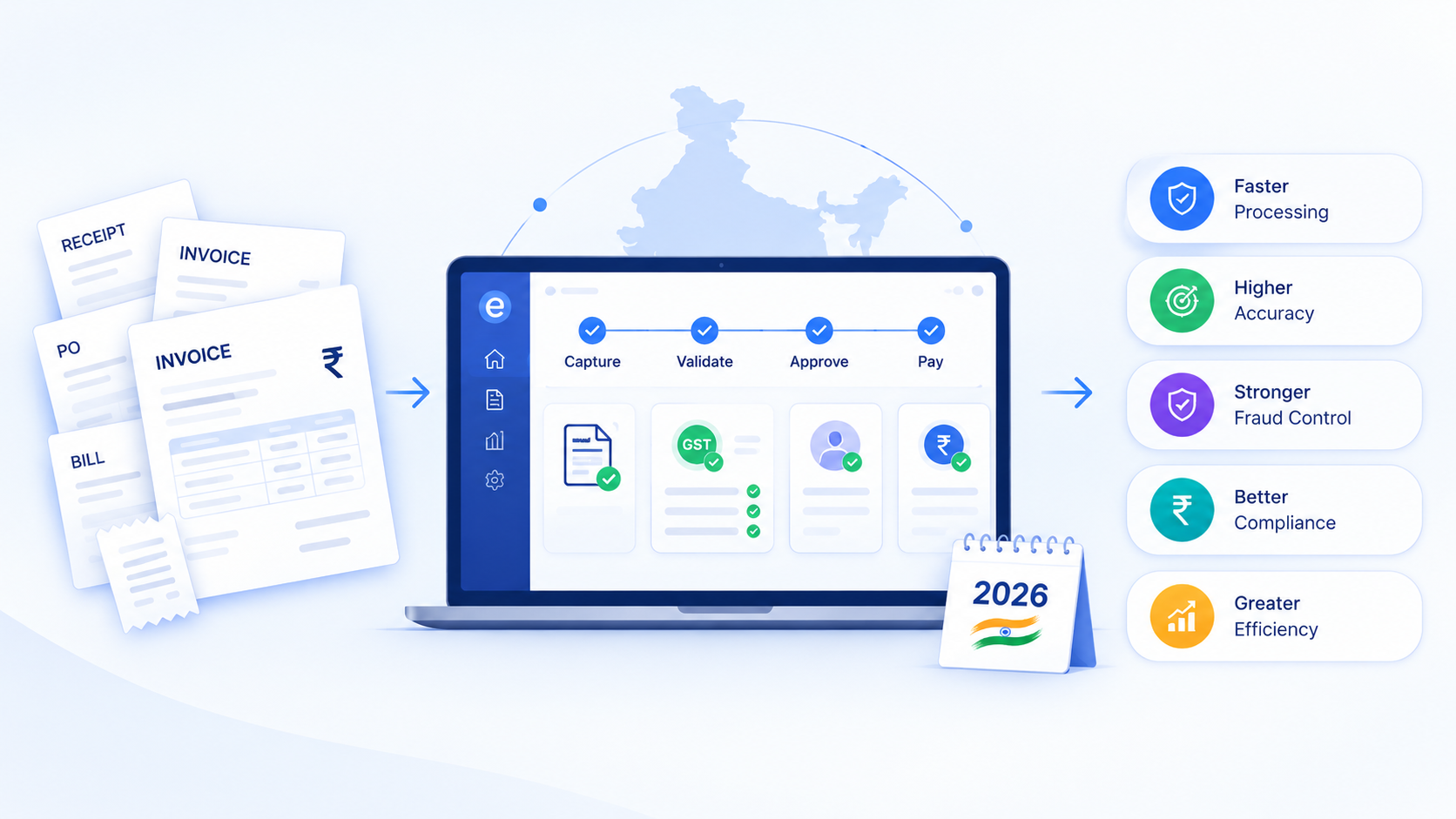
Unlike traditional and bulky software, modern-day innovative Procure to Pay solutions like Expenzing offer pocket-friendly solutions to include all business users and approvers to be part of the system. An Integrated eProcurement system like Expenzing will allow the users to have an end to end visibility on the progress of their purchase request. Getting everyone on-board helps in process observation, process improvement, and spend management.
2. Easy to Use System –
Invested Procure to Pay Products like Expenzing design the software for intuitive usage with minimum or no training requirement for business users. The User Interface is clean and minimal, with no distracting clutter.
3. Configurability –
The functional architecture of a spend management system needs complete configurability in terms of items/cost allocation parameters/budgets, etc. However, to use the system effectively, one needs to go beyond what it offers as a default. Experienced Implementation Teams and Product Experts skillfully guide and suggest data implementation to keep the system flexible, and yet with no loss-of-control.
4. Crisp Delegation of Authority –
Having a crisp, well-defined, and automated Delegation of Authority(DOA) helps to save time and energy. Business users should be able to track approvals easily. If people are on leave, there needs to be a proper approval-delegation with an audit trail. In such clarity of scenarios, simple measures are easy to identify and implement. Eg: If the Procurement team is already a part of the requisition approval process, then there will be no nasty surprises at the end of an approved PR.
Implementing effective procurement software with the help of an experienced team will effectively solve the end-user problems. Subsequently, you can choose the same eProcurement software to offer integrated, seamless extended solutions for your Core Teams.
Solutions like Strategic Sourcing, Supplier Portal, Fixed Asset Management, Invoice Management help in extending the same ease-of-use and control to your core Procurement and Admin teams.