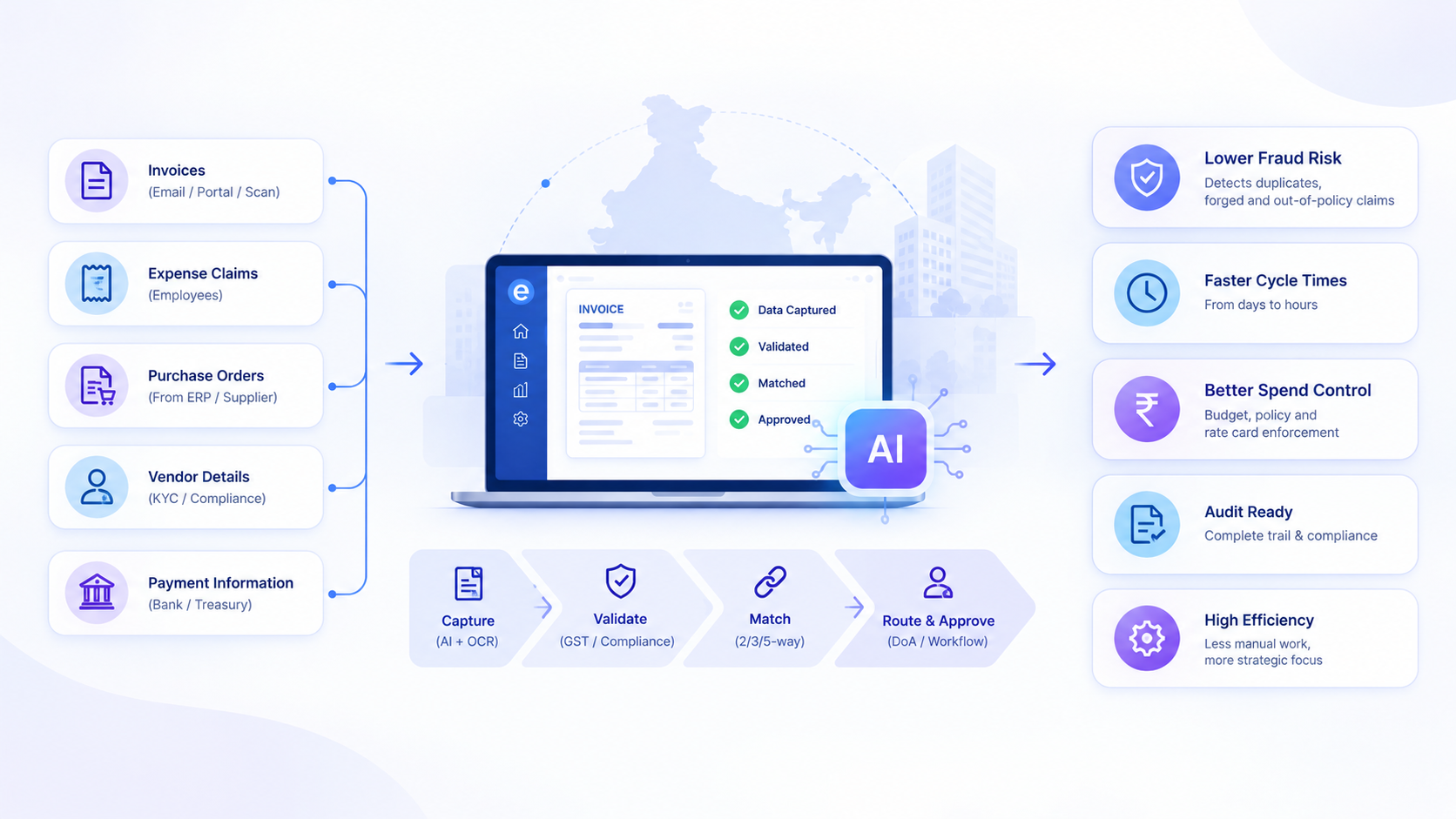

By checking what a receipt image actually is at the file level, not just what it shows. AI-powered vision models and metadata verification examine a receipt for the digital fingerprints of a genuine photo or scan versus a generated or edited file, tax math that doesn’t reconcile with the stated total, inconsistencies invisible to the eye, and file metadata that doesn’t match a real capture. None of that depends on the receipt “looking” fake, which is what makes it necessary now.
Why doesn't manual expense review catch fake receipts anymore?
Because the “does this look real” test, which is what most managers are actually running when they eyeball a claim, has stopped working. A year ago, most fabricated receipts came from websites selling generic templates, recognisable if you knew what to look for. Today the majority are AI-generated line items, tax breakdowns, formatting all built to look exactly like the real thing. A convincingly generated receipt passes visual review every time, by design, which means the check has to move to something manual review was never equipped to do in the first place.
How common are AI-generated fake receipts in India specifically?
More common than almost anywhere else being tracked. According to a report over a 12-month period, 1,471 AI-generated receipts were identified across 745 employees and 174 companies, with India recording the highest number of submissions. Traditional template-based fake receipts now account for only around 29% of detected fabrications, meaning AI-generated receipts have become the dominant pattern. For Indian finance teams, this is a risk that can no longer be treated as an exception.
What is metadata verification, and how does it detect image manipulation?
It’s an examination of the receipt file itself, not the content printed on it, but the properties of the image or PDF, whether it carries the signatures of a genuine phone photo or scan, whether it’s been edited after capture, and whether line-item totals and tax calculations are internally consistent. A generated or edited receipt can look flawless to a human reviewer and still fail this check, because the manipulation shows up in the file, not the picture.
How do duplicate expense claims happen across different employees?
Not always as fraud in the deliberate sense, often it’s the same real expense, claimed more than once by different people who were genuinely there. A team dinner submitted separately by three colleagues who all attended, or the same cab ride claimed on two reports weeks apart. A system checking one employee’s submission history in isolation will never catch this, because the duplication is across people, not within one person’s claims.
What does expense reimbursement fraud actually cost companies?
It shows up in roughly 13% of all reported occupational fraud cases, with a median loss per scheme running around ₹42 lakh, and the average case takes about eighteen months to detect. That detection window is the real cost driver, eighteen months is plenty of time for a pattern of duplicate or slightly altered claims to compound quietly before anyone notices.
How do you catch a duplicate claim submitted by two different employees?
By checking every new claim against the whole organisation’s submission history, not just the submitting employee’s own record. The system needs to flag matching vendor, amount, and date combinations across different employee IDs, which is exactly the pattern a manager reviewing claims one at a time, department by department, will never spot on their own.
What should CFOs ask a vendor when evaluating expense fraud detection tools?
Not whether they “detect fake receipts”, every vendor says yes to that now that it’s a market expectation. Ask them to show a receipt that passes a human glance and still fails their system, and ask specifically how they catch the same expense claimed by two different people. That second question separates a platform built for organisation-wide reimbursement audits from one that’s still only checking each claim in isolation.