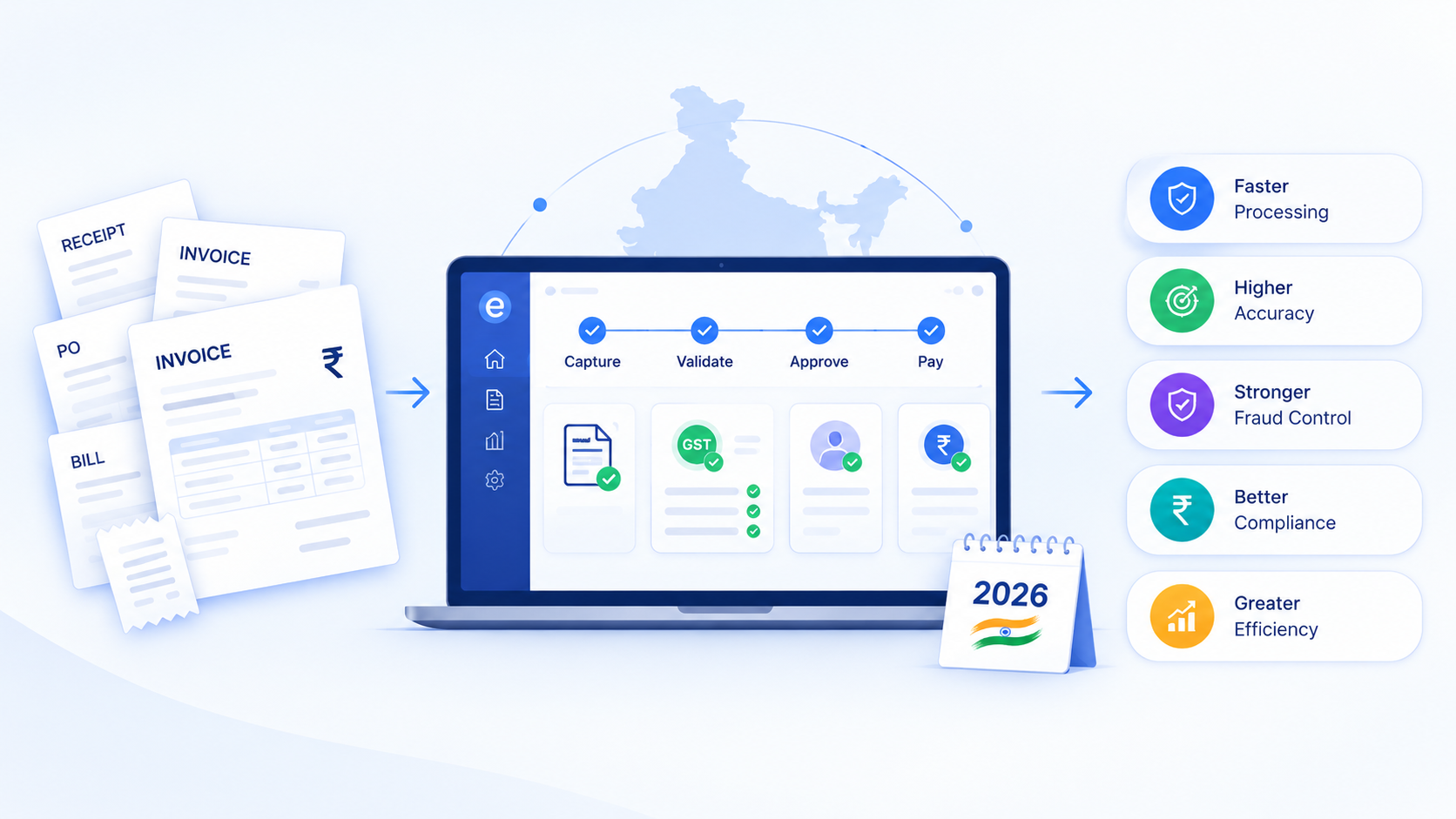
The short answer, by evaluating an invoice against everything the system already knows about the vendor, the purchase, and the payment details, before that invoice is ever eligible for payment, not by reviewing it after the money has already gone out.
That distinction matters more than it sounds like it should. Once payment has left the account, recovery odds drop fast. Industry data on payments fraud puts recovery of most or all lost funds at roughly 22% of cases, meaning in nearly four out of five incidents, once the money moves, it’s largely gone. That’s the entire argument for catching fraud before payment rather than investigating it afterward, prevention isn’t just cheaper than recovery, it’s usually the only version of this that actually works.
What "before payment" means mechanically
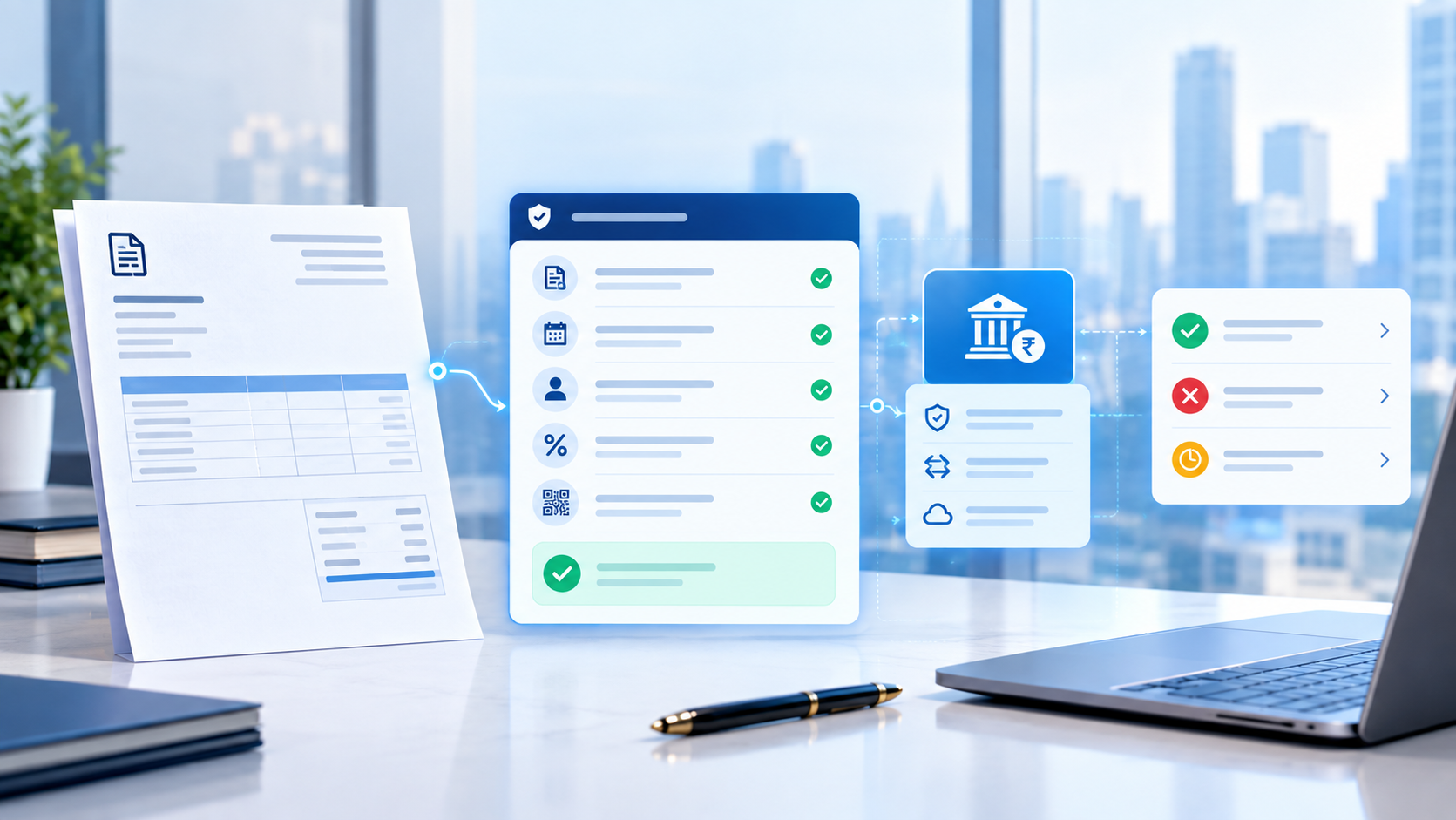
Every invoice that enters an AP system should pass through a sequence of checks before it’s marked eligible for payment, and each one is looking for something different:
-
Vendor legitimacy : Is the GSTIN valid and currently active? Has this vendor filed their GST returns recently, or has that lapsed? A vendor who’s gone quiet on filings isn’t necessarily fraudulent, but it’s exactly the kind of signal that should surface automatically rather than get missed because nobody thought to check.
-
Payment details against history : Do the bank details on this invoice match what was verified when the vendor was onboarded, or the last time they were confirmed? A bank account that’s changed without independent verification is one of the single strongest fraud indicators there is, and it’s invisible if the system is only reading the invoice for line items and totals.
-
Duplication patterns : Not just an exact repeat of a prior invoice, but the subtler version, same vendor, same amount, a slightly different invoice number, submitted close together in time.
-
Document consistency : Does the invoice reconcile against the purchase order and goods receipt, where one exists? Mismatches here aren’t always fraud, but they’re exactly the invoices that should stop for review rather than sail through.
-
Compliance status : Does this invoice carry a valid e-invoice IRN where required? Is an MSME payment deadline about to lapse? These aren’t fraud checks in the traditional sense, but they’re part of the same idea: catching a problem while there’s still time to act on it.
Why this has to be one check and not a pile of separate flags
Here’s the part that actually determines whether this works in practice, none of those checks mean much in isolation. A GST filing lapse alone might be nothing. A bank detail change alone might be a legitimate update. But a bank detail change for a vendor whose GST filings have also gone quiet, arriving right before an MSME deadline, creates a very different risk profile from any one signal on its own. AI’s real value here isn’t running more checks faster, it’s weighing all of them together into a single judgment, does this invoice go straight to payment, or does it need a person to look at it first?
What this looks like day to day
Most invoices should clear this process without anyone touching them, that’s the point. The ones that don’t clear are the ones actually worth a person’s time, flagged with the specific reason they were stopped, not just a generic “review needed” tag that leaves someone starting the investigation from zero.
That’s the real shift AI makes possible in AP, not fewer checks happening, but every invoice getting the full set of checks, automatically, before payment, which is the only point in the process where catching a problem still means keeping the money.