Most tax liabilities announce themselves. GST notices, TDS defaults, and assessment queries are visible the moment they arise. Section 43B(h) is different. Its impact often surfaces months later, when finance teams discover that perfectly legitimate business expenses have become temporarily disallowable simply because payments to eligible MSME suppliers crossed the statutory timeline. The surprising part is that, in many organisations, this isn’t primarily a cash flow problem. More often, it’s a visibility problem. Funds may be available, but invoices spend too long moving through approval workflows, vendor records are incomplete, or finance teams receive alerts only after the compliance window has already closed. By then, you’re no longer managing a payment delay. You’re managing the timing of a tax deduction, with direct implications for taxable income, cash taxes, and year-end financial planning.
What Section 43B(h) actually requires
Section 43B(h) of the Income-tax Act links the deductibility of certain expenses to timely payment to registered micro and small enterprises under the MSMED Act. Under the MSMED Act, payment to a registered micro or small enterprise must be made within the agreed credit period, subject to a maximum of 45 days from the date of acceptance or deemed acceptance of the goods or services. Where no written agreement exists, payment is required within 15 days.
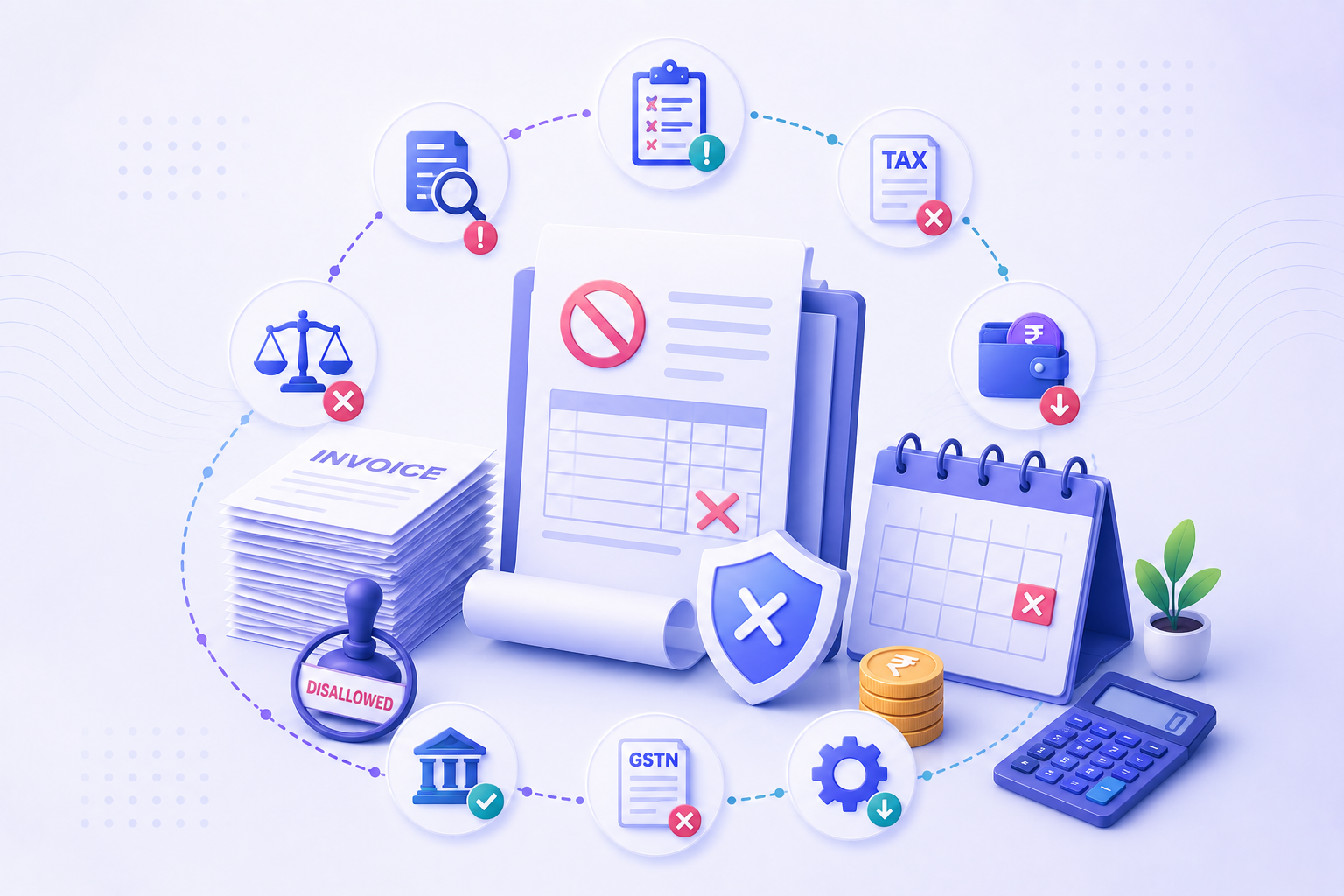
If payment is made beyond the applicable statutory timeline, the expense becomes deductible only in the financial year in which the payment is actually made. While the deduction is deferred rather than permanently denied, the immediate consequence is higher taxable income and, potentially, a higher cash tax outflow.
The financial impact can be significant. Imagine ₹10 crore of eligible MSME invoices remaining unpaid beyond the statutory timeline at year-end. That amount may become temporarily disallowable, increasing taxable income until the payments are made. Even though the deduction is eventually available, the interim tax impact can materially affect cash flow planning.
Where finance teams actually lose control
When I speak with CFOs and finance leaders about Section 43B(h), the conversation rarely begins with liquidity. It usually begins with fragmented processes, incomplete vendor data, or delayed visibility. If MSME registration details are missing, outdated, or not validated during vendor empanelment, invoices continue through standard payment workflows without recognising that statutory timelines apply. Finance often discovers the issue only when reviewing outstanding balances, by which time valuable days have already been lost. Even organisations with healthy cash positions can lose two to three weeks simply moving invoices through receipt, validation, PO matching, business approvals, and exception handling. Month-end close activities, approval bottlenecks, and system downtimes only reduce the available payment window further.
Many ERP systems still report MSME ageing through monthly MIS reports. These reports are useful for explaining what happened, but not for preventing it. If finance learns on the third day of the following month that invoices crossed the statutory timeline in the previous week, the compliance consequence has already materialised. Compliance depends on knowing which suppliers are registered micro or small enterprises and ensuring that their registration details remain accurate and current. If vendor data isn’t maintained properly, payment workflows cannot distinguish between statutory obligations and commercial payment terms.
In other words, good compliance begins long before an invoice reaches Accounts Payable.
What Intelligent AP Automation changes
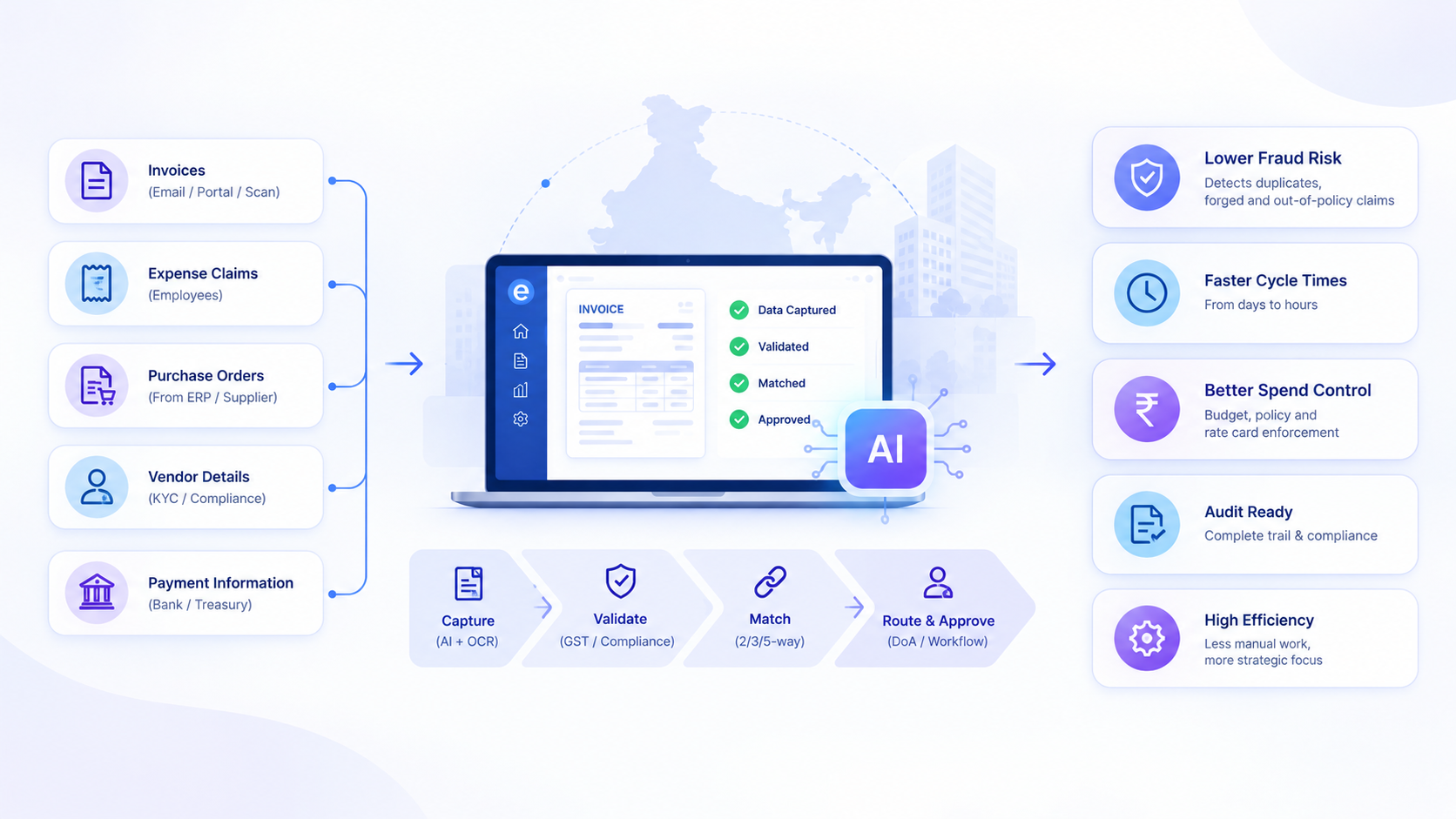
The objective of automation isn’t to accelerate every payment. It’s to ensure that the right invoices receive attention at the right time.
Embedded vendor intelligence
When MSME classification is captured during vendor onboarding and automatically carried through invoice processing, payment priorities are established from the outset. AP teams don’t need to manually identify eligible suppliers because the workflow already understands which invoices carry statutory obligations.
Proactive alerts instead of last-minute reminders
An alert generated on Day 20 or Day 30 gives finance enough time to resolve approval delays, address invoice exceptions, or release payments where appropriate. An alert on Day 44 simply informs you that you’ve almost run out of options.
Intelligent payment prioritisation
Automation allows finance teams to segment payment strategies. Eligible MSME suppliers can follow statutory timelines while larger suppliers continue under negotiated commercial terms. Compliance for one supplier category doesn’t require sacrificing broader working capital discipline.
A defensible audit trail
During tax assessments, organisations may need to demonstrate when invoices were received, when they were approved, and when payments were ultimately made. A well-designed AP automation platform creates a complete digital audit trail across every stage of the process, making compliance easier to substantiate during scrutiny.
DPO and Compliance are not opposing Objectives
Many finance leaders initially view Section 43B(h) as being at odds with working capital optimisation. I believe that’s the wrong way to look at it. The objective isn’t to reduce Days Payable Outstanding across the supplier base. The objective is to apply different payment strategies to different supplier categories based on statutory requirements and commercial priorities.
Technology makes that segmentation practical.
The CFOs who manage this well aren’t necessarily the ones with the strongest liquidity. They’re the ones with the earliest visibility into payment obligations and the discipline to act before compliance deadlines become tax issues.
So, is this really a cash flow problem?
In most cases, no
It’s a visibility problem.
It’s a vendor data problem.
It’s a workflow problem.
When finance teams know which invoices carry statutory obligations, where they are within the approval process, and how much time remains before compliance deadlines expire, they can usually avoid the tax consequences without fundamentally changing their working capital strategy. Leading finance organisations are increasingly treating Section 43B(h) not as a year-end tax exercise, but as an operational governance issue. When procurement, Accounts Payable, tax, and treasury work from the same real-time data, compliance becomes a natural outcome of disciplined processes rather than a last-minute scramble.That is precisely the challenge modern AP automation platforms are designed to solve.
At Expenzing, our focus has been on helping finance teams combine workflow automation, compliance intelligence, and real-time visibility so that statutory deadlines become manageable, predictable, and far less costly.