As I speak with CFOs across Indian enterprises, I hear a familiar story: AP is under pressure from every direction. Teams are expected to process more invoices, improve compliance, prevent fraud, and do it all with tighter control and less manual effort.
In my experience at Expenzing, the companies that make real progress do not start by asking, “How do we automate AP?” They start by asking, “Where are we losing time, control, or visibility?” That shift matters, because AI is most valuable when it solves very specific pain points such as invoice matching, duplicate detection, exception routing, and fraud prevention.
I have seen this play out in a large Indian enterprise with a high invoice volume and multiple business units. Their AP team was spending too much time chasing missing details, rechecking invoice data, and manually resolving exceptions. Once they introduced intelligent matching and automated validation, the team was able to focus less on firefighting and more on control and analysis.
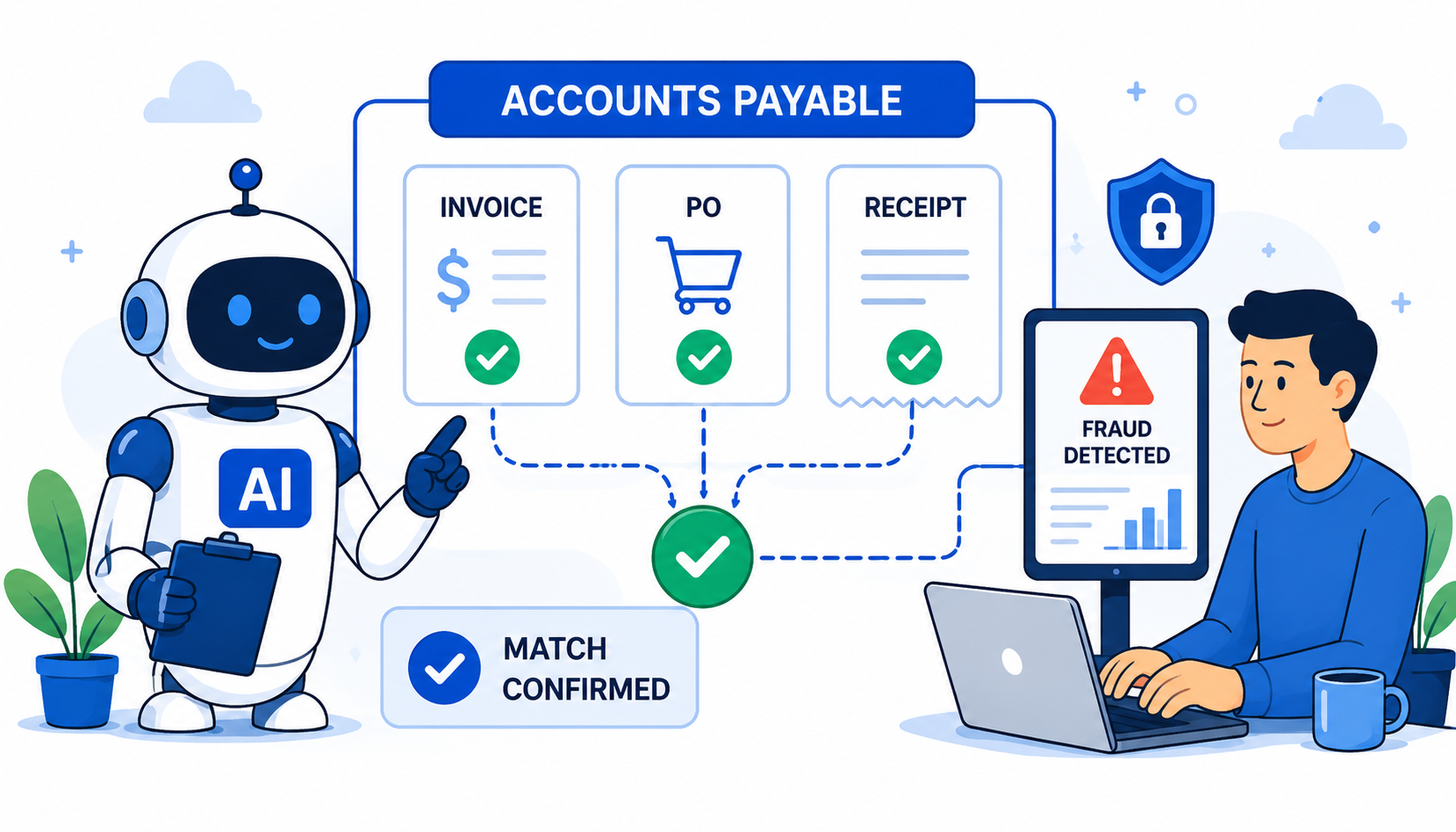
Another client I recall had a different issue. Their process looked efficient on paper, but duplicate invoices and weak exception handling created hidden risk. AI helped them spot unusual patterns much earlier, flag suspicious entries, and prevent issues before they reached payment approval. That is where AI becomes more than a productivity tool — it becomes a real safeguard for the finance function.
Why this matters for CFOs
For CFOs, the value of AI in AP is not just faster processing. It is better judgment at scale. A finance leader needs confidence that invoices are being matched correctly, anomalies are being surfaced, and approvals are happening according to policy.
That is especially important in India, where AP is tied closely to GST compliance, TDS requirements, e-invoicing, and audit scrutiny. A small error in invoice capture or approval flow can ripple into payment delays, supplier friction, or compliance exposure. AI helps reduce those risks by making the process more consistent and more visible.
I have also seen that CFOs appreciate AI most when it supports their team rather than trying to replace it. The best implementations use a human-in-the-loop approach, where AI handles repetitive validation while finance teams focus on exceptions, policy decisions, and higher-risk invoices. Strong guardrails and approval controls are what build trust. That balance is what builds trust.
What changes inside AP teams
The operational shift is usually immediate. What used to take multiple follow-ups can now be validated in the workflow itself. What used to sit in someone’s inbox can now move through intelligent or even agentic workflows that route exceptions dynamically based on patterns, risk signals, and business rules. What used to depend on memory or tribal knowledge can now be captured and standardized.
In one finance organization I worked with, the AP team had become the default problem-solving unit for every invoice issue. After automation and AI-based exception handling were introduced, the same team was able to spend less time on routine checks and more time on supplier coordination, controls, and analysis. That is the kind of change that improves both morale and performance.
A practical way forward
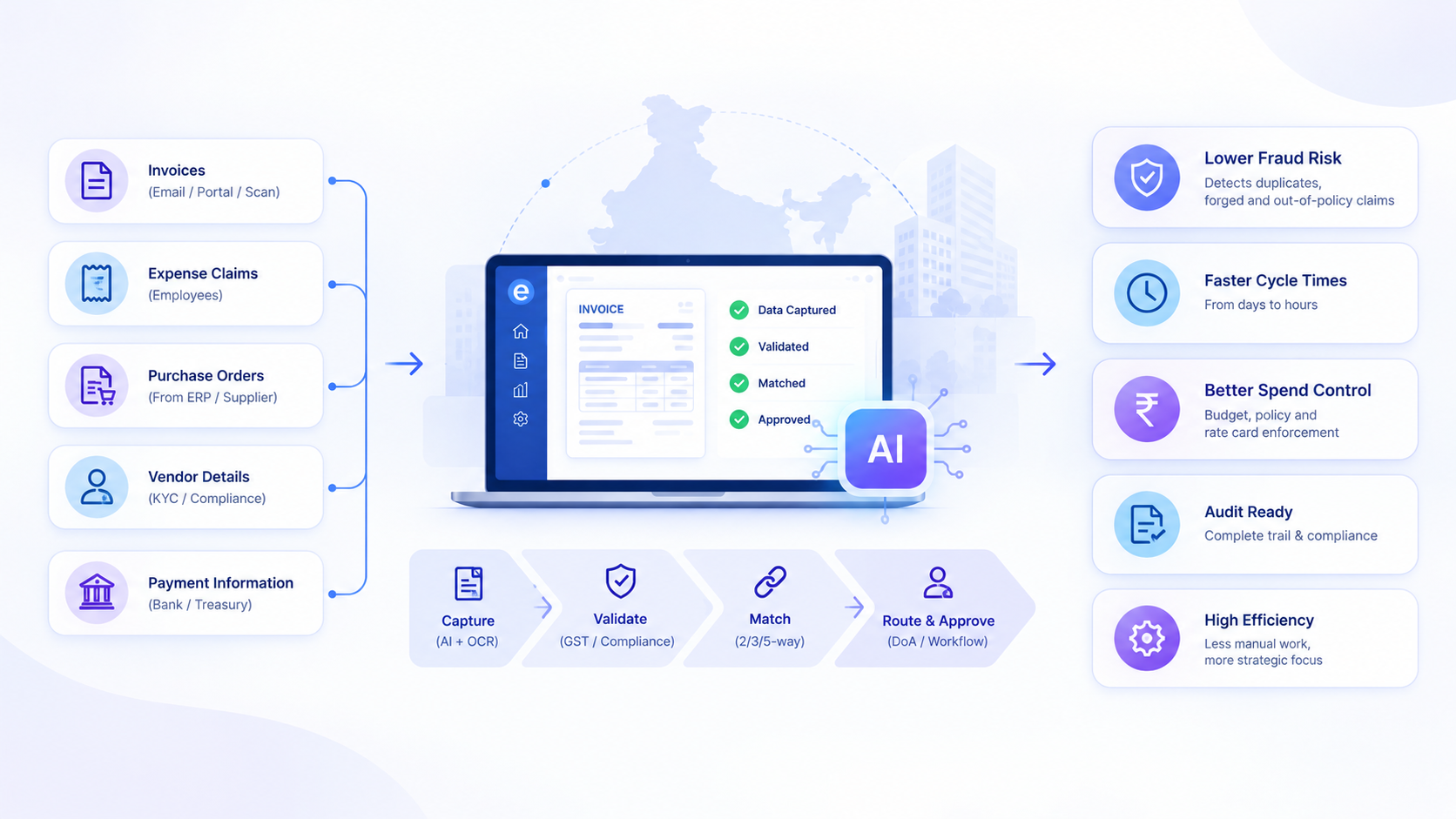
My advice to CFOs is simple: start where the pain is most visible. Invoice capture, 3-way matching, duplicate detection, and exception handling are often the best first use cases. These are areas where AI can show clear value without requiring a full transformation on day one.
Once those foundations are in place, the next step is to broaden the scope into fraud detection, payment optimization, and better working-capital visibility. That is when AP begins to move from a transactional function to a strategic one.
For Indian enterprises, this is the opportunity in front of us. AI can help AP become faster, smarter, and more resilient, but only if it is implemented with clear business goals and strong governance. The organizations that act now will build a finance function that is not only efficient, but also more trustworthy and better prepared for what comes next.