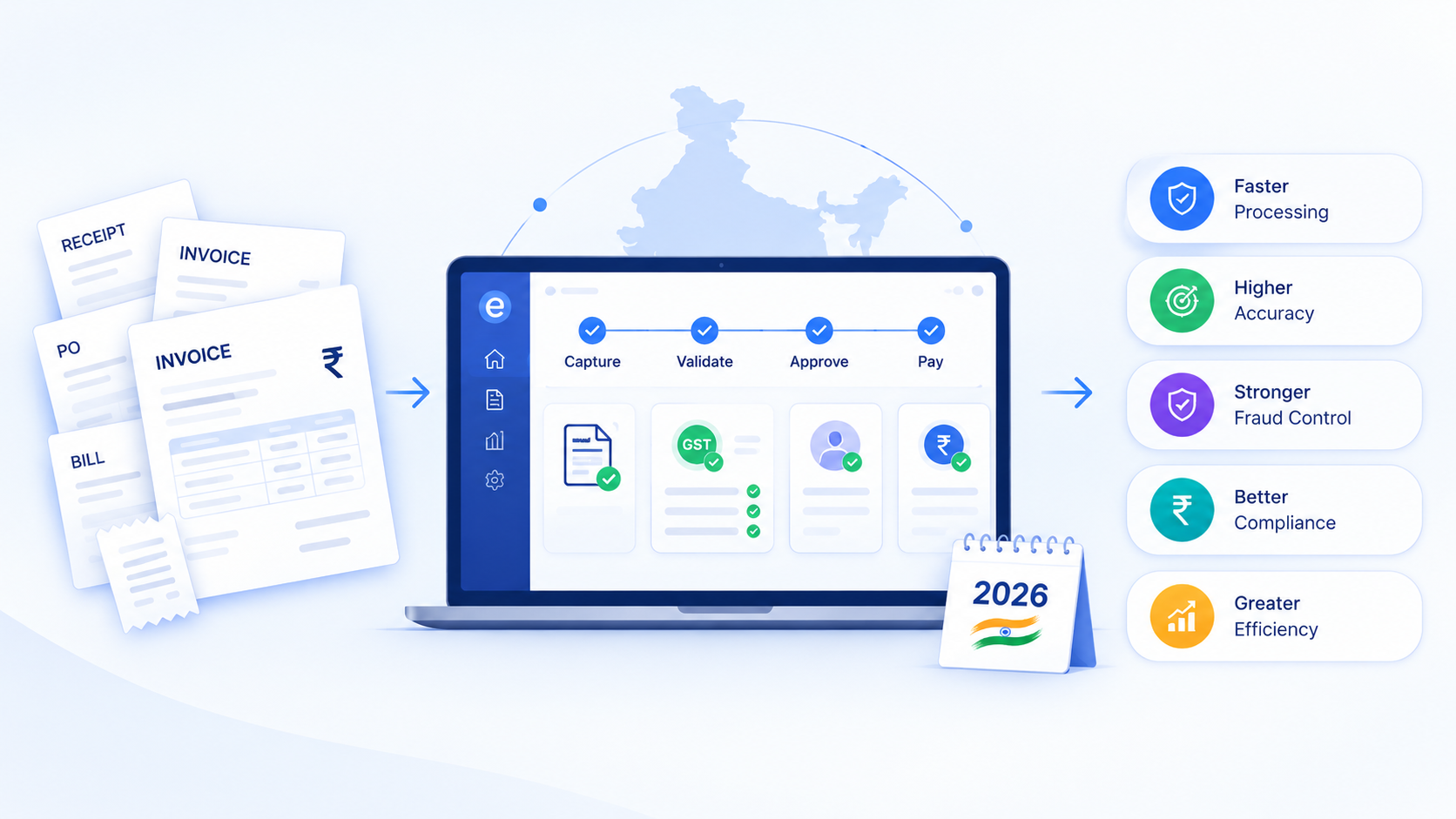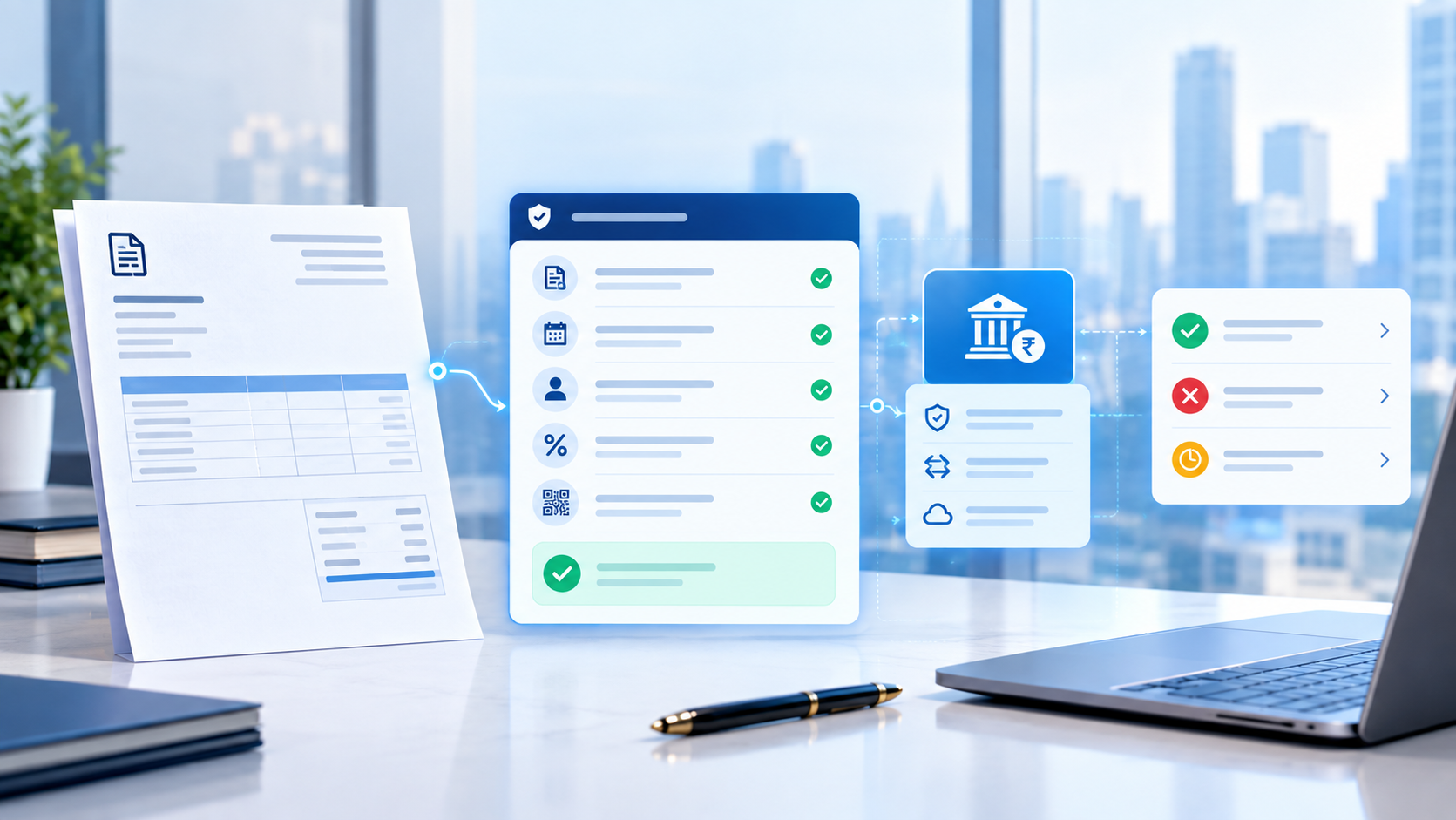

Dear CFOs – if you have ever looked at AP automation and thought, “We should do this, but…” — you are not alone. Despite the clear benefits, adoption stalls for most teams. The culprits? Upfront costs, integration headaches, and the human factor.
In my work at Expenzing, I have seen this play out repeatedly. Finance leaders know manual AP is a bottleneck, but the path forward feels risky. Let us break down the three biggest barriers — and how to overcome them.
I remember a mid-sized client who delayed for 18 months over cost concerns. Their CFO worried about CAPEX for new software and ongoing maintenance. Once we showed a phased SaaS model with quick ROI from reduced manual effort, they moved forward — and saw payback in under a year.
Barrier 1: The cost perception trap
Everyone cites “high implementation and ongoing costs” — 37% in recent analysis. CFOs fear big upfront spends without guaranteed returns, especially when budgets are tight and GST compliance already eats resources.
The reality? Modern AP automation is subscription-based, with pay-per-invoice options that align with usage. The savings come fast: less paper, fewer errors, and teams freed for analysis. One services client cut processing costs by 40% in six months by automating high-volume invoices first — no massive CAPEX required.
Focus on total ownership cost, not just the sticker price. Calculate manual effort (time per invoice x volume x wage), add error/fraud costs, and the math flips.
Barrier 2: Integration complexity
33% point to “integration issues with existing systems”. Legacy ERPs like Tally, SAP, or custom setups make CFOs nervous about data silos, downtime, or custom coding nightmares.
In India, this is amplified by GST portals, e-invoicing IRPs, and multi-location ops. But plug-and-play APIs and pre-built connectors have matured. A manufacturing client integrated our solution with their ERP in weeks, not months, handling GST reconciliation seamlessly from day one.
Tip: Choose vendors with India-specific integrations and pilot on one site or vendor group. Prove value before full rollout.
Barrier 3: Internal resistance and the perception gap
This is the silent killer — 88% report resistance, with a huge gap between managers (78% think processes are automated) and clerical staff (only 33% agree). Employees fear job loss; seniors worry about losing control.
I have led change with skeptical teams. One client’s AP staff resisted, fearing “the machine will take our jobs.” We started with training workshops, showing how AI copilots handled repetitive validation and routing tasks, allowing the AP team to focus on supplier coordination, exceptions, and judgment-heavy work. Buy-in grew as they saw reduced stress and weekends off.
CFOs, lead with empathy: communicate “augment, not replace.” Involve teams early, celebrate quick wins, and tie it to career growth.
Breaking through: A CFO’s playbook
Overcome stalls with a three-step approach:
- Build a tight business case: Quantify manual pain (hours, errors, risks) vs. automation ROI. Target 3-6 month payback.
- Phase it smartly: Start narrow (e.g., invoice capture), prove integration works, scale out.
- Manage the people side: Train, communicate benefits, create champions. Perception gaps close when everyone sees value.
A retail client followed this: phased rollout, clear metrics, team involvement. Resistance melted; adoption soared.
The moment to move
AP automation stalls because it feels big, but it does not have to be. Costs are manageable, integrations are simpler, and resistance fades with involvement.
CFOs who push past these barriers gain resilient processes, better controls, and teams ready for growth. In India’s compliance-heavy world, that is not optional — it is essential. Let us turn “but…” into “done.”