
A newly appointed CFO of a large multinational organization was enthusiastic about his new
role. As part of the handover, he realized ample opportunity to streamline expenses and
manage costs here. He invited the top product companies to make a presentation and
showcase their products. Having shortlisted a few, he broke the exciting news to his team only
To receive a far from the usually enthusiastic response.
“This will only increase my work!”
“We will need to customize no matter which product we buy”
“This will take years to implement. We are still implementing that ERP”
“Our Excel sheet-based system is already working so smoothly. Systems are too rigid.”
“Do these systems bring any real savings?”
He discussed the concerns with his team. He found that most of the prospective issues his team
members talked about, could be easily addressed.
Let us take a look at some of those myths and see if they can really be easily addressed!
1. “This will only increase my work!” – said the A/P team member
An automation evangelist may find it difficult to believe that some users genuinely think that a
system will only lead to an increase in work- making their daily jobs more complex. Some
people are naturally averse to change, especially when it includes the effort of learning a new
system compared with the comfort they have with an existing system, no matter how inefficient.
It could also be a once bitten, twice shy case of a poorly implemented product. Clarifying the
difference between the implementation phase and usage phase also apprehends any such
assumptions.
A detailed product walkthrough or a product workshop is a great way to introduce the product
and address such issues.
2. “If we go for a product, a lot of customization will be needed” - said the team leader
Over the last two decades, companies have realized that going for a product-based solution not
only comes out to be cheaper on the pocket but also adds more value. A product-based solution
is more proactive in adapting to changing requirements, regulations, and technology. Upgrading
to a newer version is smoother, faster, and cheaper when using out-of-box products. These
benefits make it easier for organizations to actively avoid the slippery slope of customization
requests and curb internal pressure to tailor the product to their own organization. A product like
Expenzing Procure to Pay software also brings a lot of best practices and improvements in the
areas of spend governance along as it gets implemented and therefore does not aim to emulate
the ongoing-physical process. A highly configurable, and scalable product helps to manage
customization requests without any coding changes. Composite products like Procure to Pay
software also come with naturally integrated additional products like vendor portal, RFP
software, asset management software, and supplier management software.
Go for an organization that offers the benefits of a suite of integrated products to avoid
unnecessary integration and customization over time.
3. “This will take years to implement. We are still implementing that ERP” – said the IT Expert
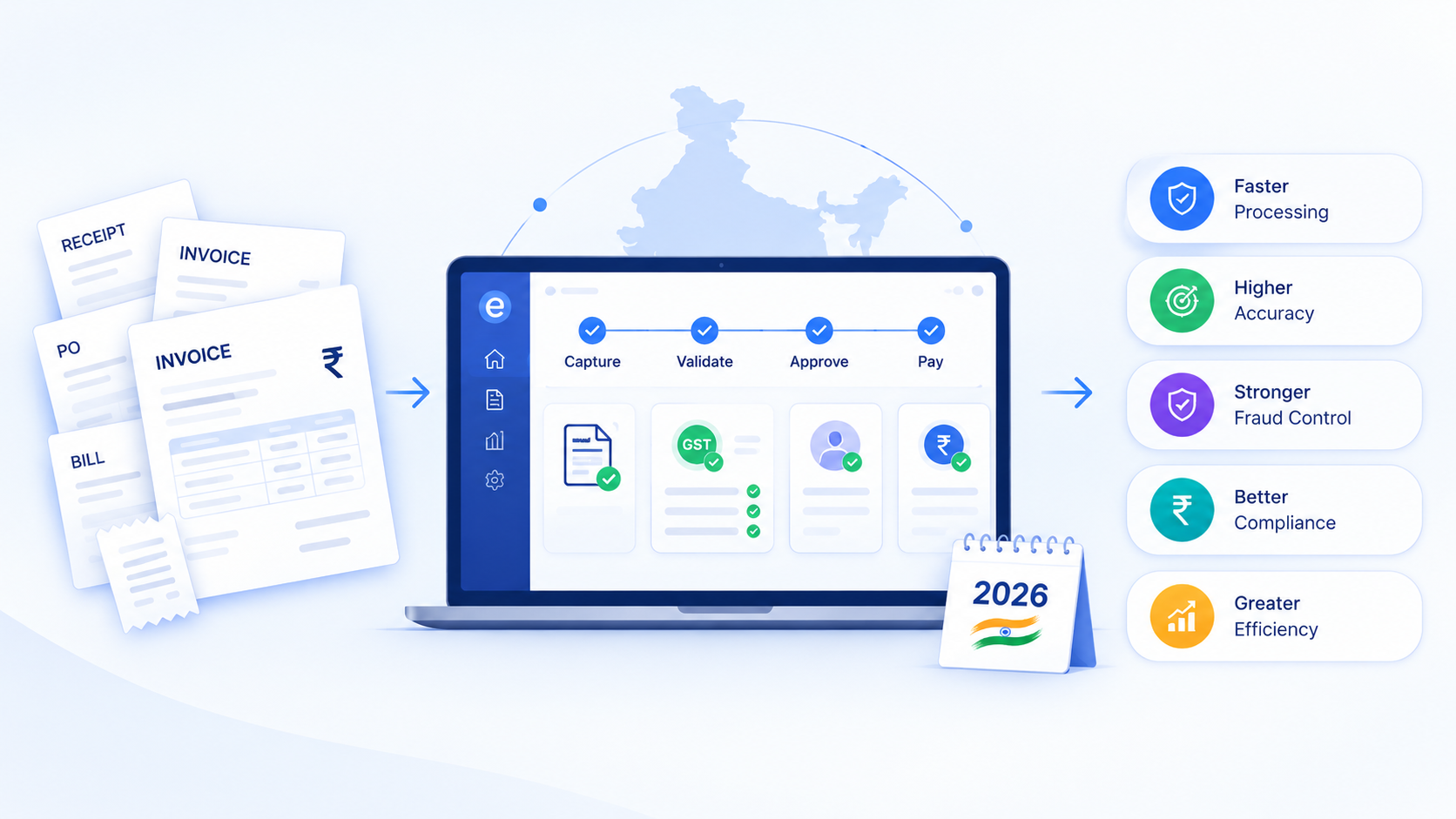
ERP systems are complex, and it takes a very long time to implement. Comparing ERP
implementation with a specialty product like Expenzing is like comparing chalk and cheese.
Products like Expenzing adopt an agile methodology to ensure quick and successful
implementation. Domain expertise comes in handy, ensuring fast benefit realization. While ERP
and other such systems are heavily dependent on the IT team for implementation, Expenzing
implementations are driven primarily by the finance teams themselves.
Products like Expenzing adopt can be implemented in a phased manner, so users can start
using the product features required most urgently.
4. “Systems are too rigid. We will have to resort back to paper for exceptions. My Excel sheet is better.” – said the finance veteran team member.
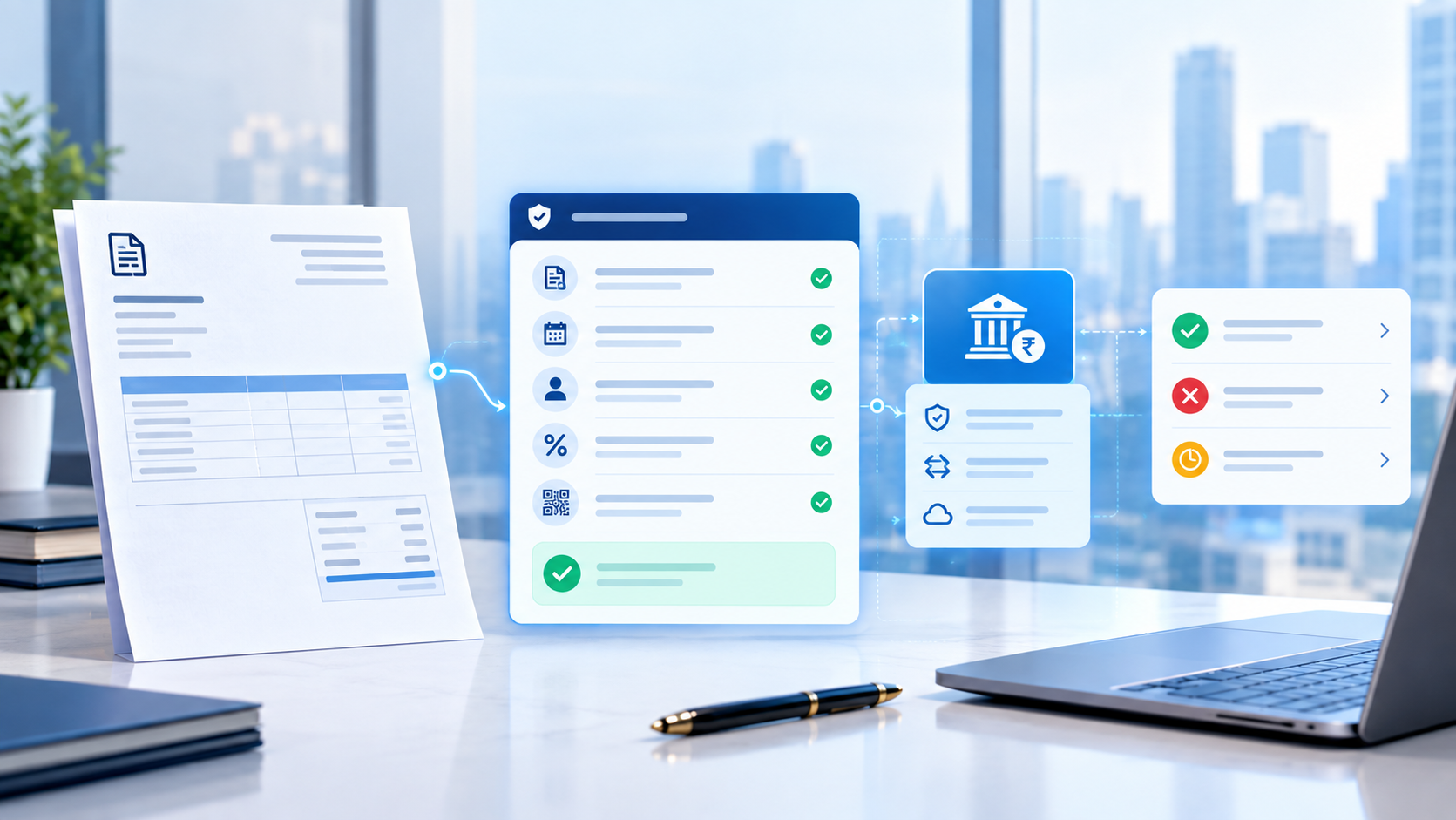
Excel sheets cannot process multilevel complicated rules, to automatically process different
types of data. It requires a specialist software product. An excel sheet cannot tell you proactively
that this invoice looks seemingly duplicate, this vendor already has unsettled advances, and it is
a black-listed vendor. Excel sheets cannot enforce delegation of authority matrix and purchase
controls on quantity and budget. Moving to a mature and scalable automated solution like
procurement software will help control costs and increase spend-efficiency for a growing
organization.
After a point in time and growth, Excel sheets do not cut it as the only tools for spend
management.
5. “What savings are we even talking about?” – said the project manager
There are tons of ways if not more ways in which having a good system saves real money.
Expenzing does only one thing, and every other thing and feature is calibrated to help do that one thing –‘To help organizations save money.’ Even if referred to money in terms of operational capital, savings of time, effort directly contribute to hard dollar savings. Even effective risk mitigation saves prospective losses and monetary penalties.
Read the detailed articles on savings here:
How Organizations can use Procure to Pay software to reduce Spend
and CFO’s guide to reducing invoice processing costs by 70%.
When speaking about Procure to Pay process automation, each person’s problems are unique
and important. Some team members harbor doubts and worries about the upcoming system,
and their level of commitment can make all the difference in product adoption and project
success. A mature product company understands. Procure to Pay Software designed such that
it is easy to use helps ensure 100% compliance and adoption.
To know more about Procure to Pay Software, Strategic Sourcing, Accounts Payable
automation, Employee Travel and Expense management, Vendor Portal and other Spend
Management Solutions that help make a real difference in your organizational spend- reach out
to us here