
Reason 1: No easy way to collate purchase requirements across IT, Admin and other departments
With 200 + branches, a central online system for every purchase request, is a must. Typically, in organizations, either email is the platform for requests or a homegrown system. Home grown systems evolve as and when there is a specific pain area, and eventually there may be multiple such systems, which mushroom and result their own issues. Without a central system to collate requests, the procurement team cannot track what’s to be procured, by when, and wastes time in constant coordination and replies to queries on statuses.Reason 2: Getting approvals across department heads in branches and HQ is time consuming
Organizations have well stated policies for delegation of approvals, but ensuring that every purchase request, or a Purchase Order is approved as per these rules, is a different ball-game altogether. Be it on email, or on paper, each request or procurement transaction gets delayed if approvals are not on an online system. Delays hurt the business, and often the easy way out is to authorize branches to do their own procurement or payment.Reason 3: Tracking statuses from request to procure to pay, across systems is tedious
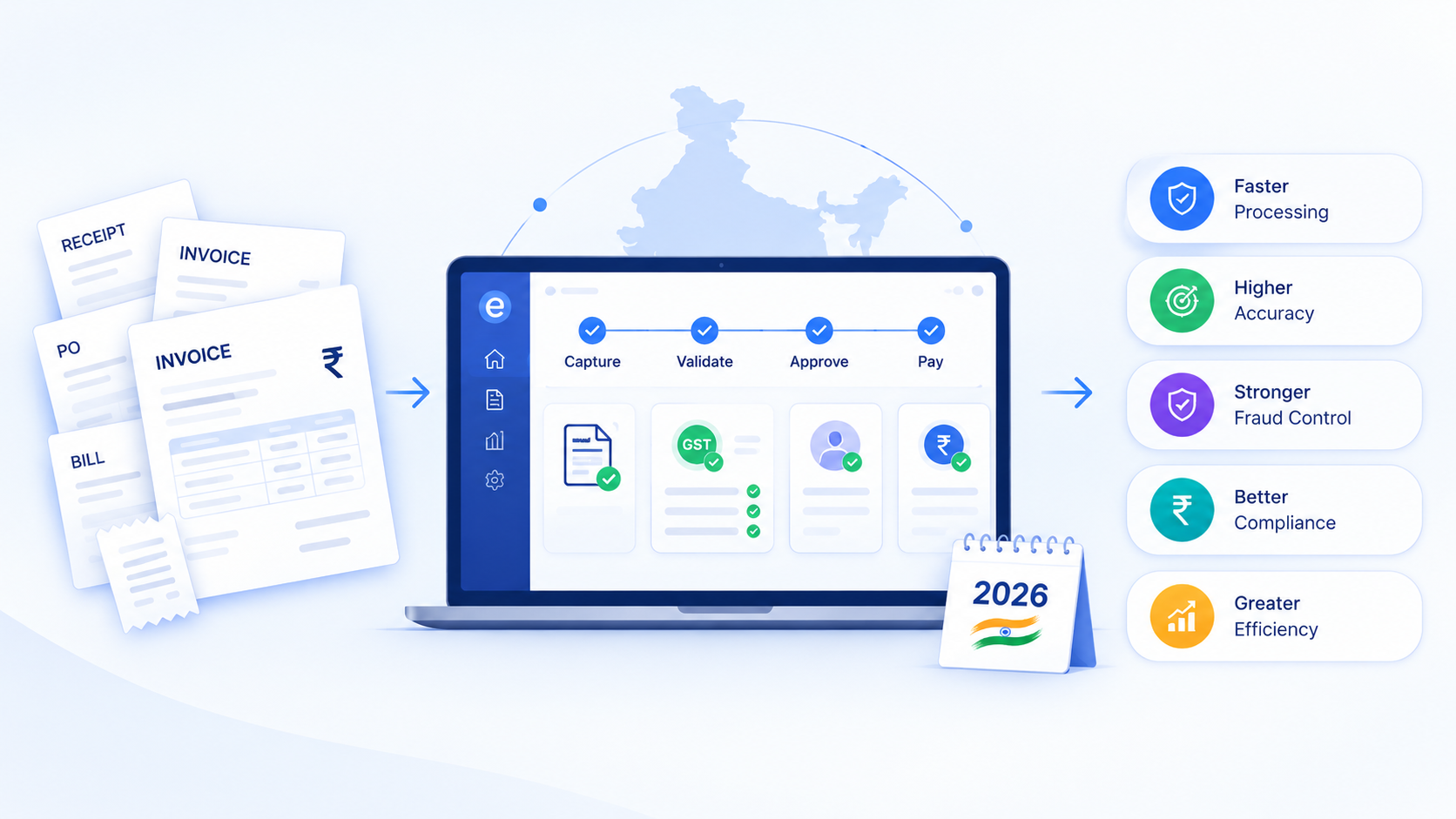
Most organizations do not have an end-to-end system for requests to procurement to payments. Due to this there are delays as well as mistakes at every step. Not knowing what was to be procured, whether it is procured, how much of it is procured, or whether the items have been received, whether payments have been made: all these result in organizations not being able to centralize the procurement and payments.Reason 4: Difficult to raise POs for each procurement
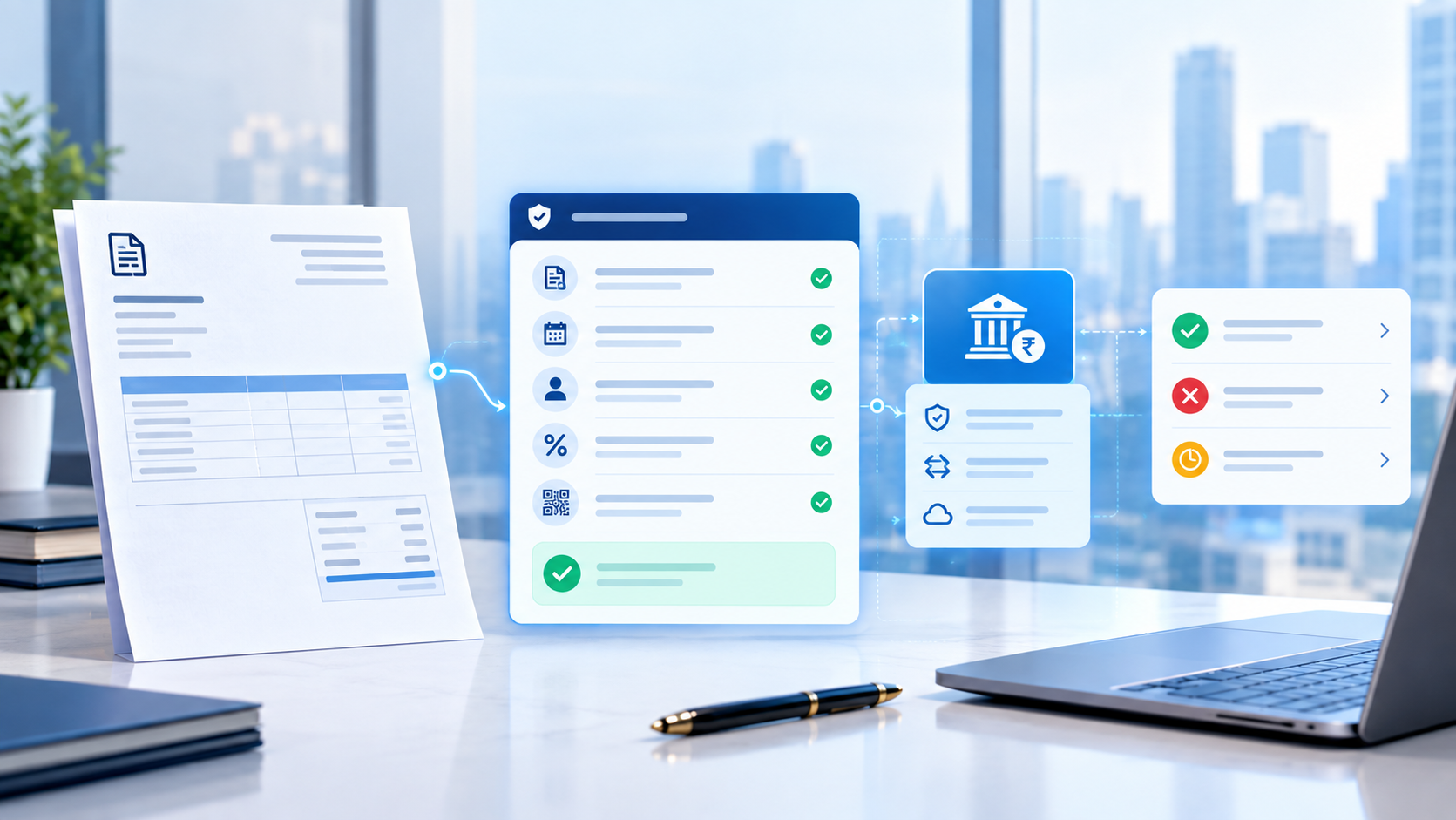
Raising a PO can be a fair bit of work – right from fetching the supplier details (address for e.g.), to checking that statutory records are verified, getting the approvals before the PO can be sent to the supplier, and finally, being able to track receipts and invoices against the POs. All this is work which can keep a large team busy, and result in costly mistakes. An online procurement software system reduces the work required to raise a PO, get it approved, and send it to the supplier. Only if this work is reduced can an organization look at centralizing the PO process.Reason 5: Visibility on the spend
This is the single most important factor which helps when scouting for savings opportunities. It is not feasible to analyze spend when purchases and payments are across branches. If it was possible to analyze the spend, the procurement team could have negotiated the best rates based on expected volumes of purchases. However, with each branch handling its own supplier negotiations and payments, this opportunity is lost. Check out how Bajaj Allianz General Insurance centralized procurement and payments across 220 branches with Expenzing Procure to Pay. Supplier relationships, timely procurement, spend management, and accounts payable operations for invoice authorizations – they streamlined the whole process.Each large organization prefers centralizing procurement and payments. Yet, most are not able to do so. Procurement teams and Accounts Payable (A/P) teams struggle to streamline and centralize. Let’s explore the key reasons for this.
Reason 1: No easy way to collate purchase requirements across IT, Admin and other departments
With 200 + branches, a central online system for every purchase request, is a must. Typically, in organizations, either email is the platform for requests or a homegrown system. Home grown systems evolve as and when there is a specific pain area, and eventually there may be multiple such systems, which mushroom and result their own issues.
Without a central system to collate requests, the procurement team cannot track what’s to be procured, by when, and wastes time in constant coordination and replies to queries on statuses.
Reason 2: Getting approvals across department heads in branches and HQ is time consuming
Organizations have well stated policies for delegation of approvals, but ensuring that every purchase request, or a Purchase Order is approved as per these rules, is a different ball-game altogether. Be it on email, or on paper, each request or procurement transaction gets delayed if approvals are not on an online system. Delays hurt the business, and often the easy way out is to authorize branches to do their own procurement or payment.
Reason 3: Tracking statuses from request to procure to pay, across systems is tedious
Most organizations do not have an end-to-end system for requests to procurement to payments. Due to this there are delays as well as mistakes at every step. Not knowing what was to be procured, whether it is procured, how much of it is procured, or whether the items have been received, whether payments have been made: all these result in organizations not being able to centralize the procurement and payments.
Reason 4: Difficult to raise POs for each procurement
Raising a PO can be a fair bit of work – right from fetching the supplier details (address for e.g.), to checking that statutory records are verified, getting the approvals before the PO can be sent to the supplier, and finally, being able to track receipts and invoices against the POs. All this is work which can keep a large team busy, and result in costly mistakes. An online procurement software system reduces the work required to raise a PO, get it approved, and send it to the supplier. Only if this work is reduced can an organization look at centralizing the PO process.
Reason 5: Visibility on the spend
This is the single most important factor which helps when scouting for savings opportunities. It is not feasible to analyze spend when purchases and payments are across branches. If it was possible to analyze the spend, the procurement team could have negotiated the best rates based on expected volumes of purchases. However, with each branch handling its own supplier negotiations and payments, this opportunity is lost.
Check out how Bajaj Allianz General Insurance centralized procurement and payments across 220 branches with Expenzing Procure to Pay. Supplier relationships, timely procurement, spend management, and accounts payable operations for invoice authorizations – they streamlined the whole process.