In most demos I sit through with finance teams, the first question is about features. The question that decides whether the project works comes later: will it sit properly on top of our SAP or Oracle setup, and will it hold up when GST rules, audits and month-end all hit at once? Accounts payable automation is easy to buy and hard to get right, so here is how I would evaluate it.
Key takeaways
- Integration with SAP or Oracle should be two-way and real time, not a file upload in disguise.
- GST checks (GSTIN, IRN, ITC eligibility) must happen before an invoice is approved, not after it is paid.
- Invoice capture only counts if it copes with the messy formats Indian vendors actually send.
- Matching, approvals and fraud controls should work as one chain, with an audit trail at every step.
- MSME payment timelines (Section 43B(h)) need to be tracked automatically.
- Ask how the tool performs at your volume, and who owns it after go-live.
How should AP automation integrate with SAP or Oracle ERP?
Start here, because everything else depends on it. Good AP software integration means the platform reads vendor masters, purchase orders and goods receipt notes (GRNs) from your ERP, and posts approved invoices and payment status back to it, without anyone exporting a spreadsheet.
Ask three things. Is the connection native or built on custom scripts that break at every upgrade? Does master data sync both ways? And what happens when the ERP is down for maintenance: does the invoice queue, or does it fail? If the answer to the first question is “we do it through file drops,” you are buying a faster inbox, not ERP automation.
What GST compliance checks should an AP tool do automatically?
In India, an invoice is a tax document before it is a payment request. Your tool should validate the vendor’s GSTIN, confirm the e-invoice IRN where it applies, and check the invoice against GSTR-2B so that you only claim input tax credit (ITC) you are entitled to.
The timing matters most. A mismatch caught at the approval stage costs a quick email to the vendor. The same mismatch caught at return filing costs you credit, and often a long reconciliation exercise. Ask the vendor to show you where in the workflow the check happens.
Can the software handle the invoices your vendors actually send?
Every AP head knows the reality: PDFs, scanned copies, photographs taken on a phone, different layouts from every supplier. Invoice processing tools look excellent on clean sample files and fall apart on the real pile.
So bring your own invoices to the pilot. Include your ugliest ones. Measure how many fields come through correctly at line-item level, and how much manual correction your team still does. Accuracy on your documents is the only number that counts.
Does it support three-way and five-way matching?
Two-way matching compares invoice and purchase order. Three-way adds the GRN. For many enterprises, especially in manufacturing, five-way matching goes further and brings in additional checks such as tax validation and contract terms.
What I look for is how exceptions are handled. Matching rules are the easy part. The real work is routing a mismatch to the right person, with the context in front of them, and clearing it without a chain of emails.
How do approval workflows and Delegation of Authority work in the tool?
Your Delegation of Authority (DoA) policy already exists, probably in a document or a few ERP configurations. The software should enforce it: approvals by amount, cost centre, entity or vendor category, with automatic escalation and delegation when someone is on leave.
Check that every action is time-stamped and attributable. For NBFC finance tools in particular, auditors and regulators will ask who approved what, and when. If the answer takes a week to assemble, the control is not really a control.
What invoice fraud and duplicate-payment controls should you expect?
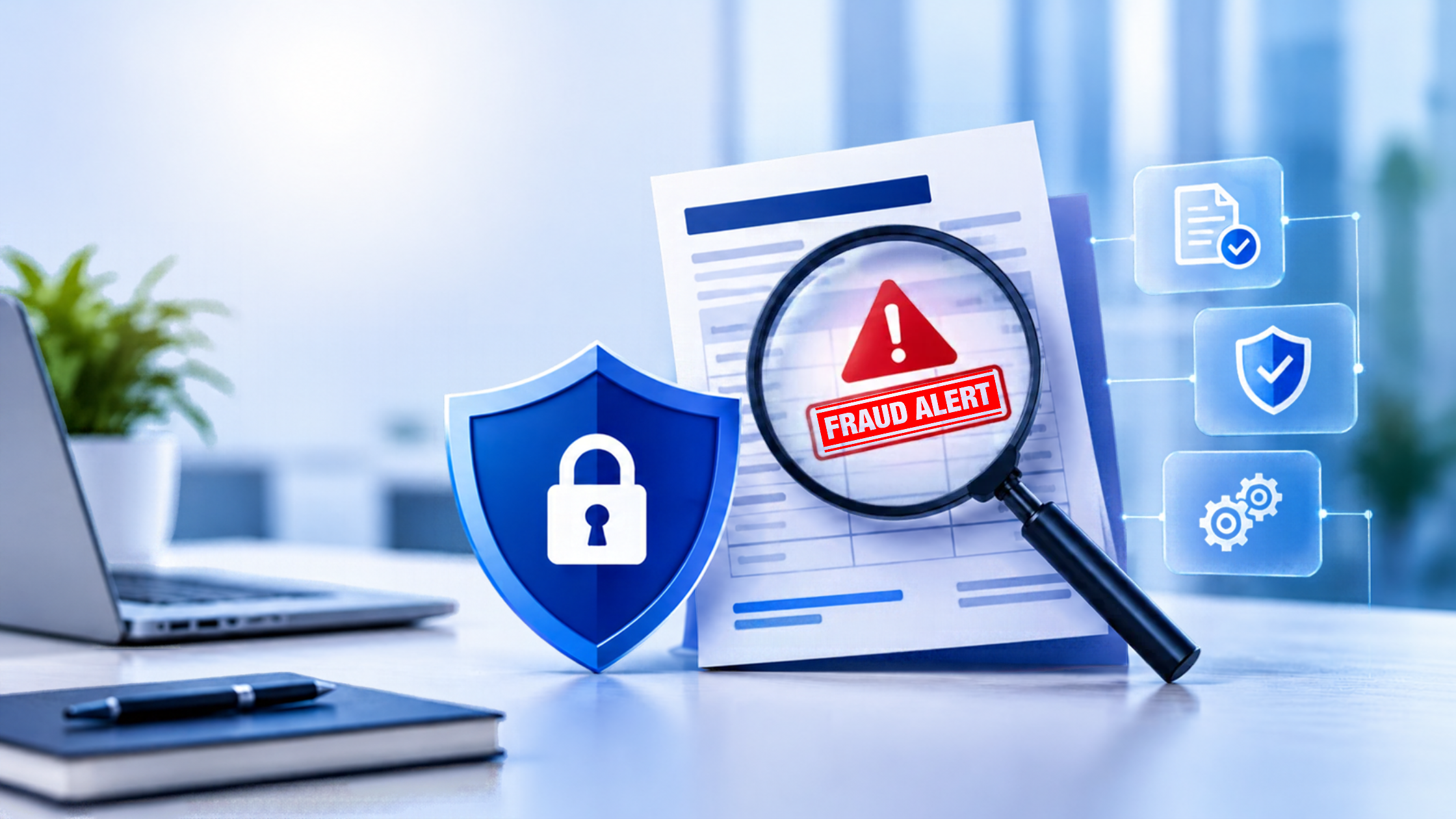
Duplicate invoices, altered bank details and invoices from vendors who should not be in your master are the common ways money leaves quietly. Ask for duplicate detection that works across invoice number, amount, date and vendor, and for a flag or hold when bank details change.
The point I make to finance leaders is simple: fraud controls should not rely on a sharp-eyed person at the end of the queue. They should be built into every step before payment.
How does the platform track MSME payment deadlines under Section 43B(h)?
Under Section 43B(h) of the Income Tax Act, payments to micro and small enterprises must be made within the prescribed timeline for the expense to be deductible in that year. For companies with a large MSME vendor base, tracking this by hand is a risk.
Your AP platform should tag MSME vendors, calculate due dates from the acceptance or deemed acceptance date, and alert your team before the deadline, not after. Confirm the current rules with your tax advisor, and make sure the tool can adapt if they change.
A quick checklist before you shortlist
Before you sign, ask for a pilot on your own data, a reference from a company on the same ERP, a clear answer on who supports the integration after go-live, and details on security and data hosting. Scale matters too: an NBFC or a large manufacturer processing high invoice volumes should see the platform tested at that load.
Frequently Asked Questions (FAQs)
What is the best accounts payable automation for Indian Enterprises?
There is no single best product. The right choice is the platform that validates invoices against GST data, supports your authority matrix and integrates with your ERP at a price that holds as your volume grows.
Is accounts payable automation mandatory?
No. But e-invoicing and GST reconciliation have made manual processing risky and slow, and the cost of an error is now higher.
How long does implementation take?
It depends on your ERP, the number of entities and how clean your vendor master data is. Ask each vendor for a timeline based on your specifics and for the assumptions behind it.
Can AP automation reduce fraud?
Validation at entry, duplicate detection and enforced approvals reduce the openings for invoice fraud. They don’t replace sound internal controls.