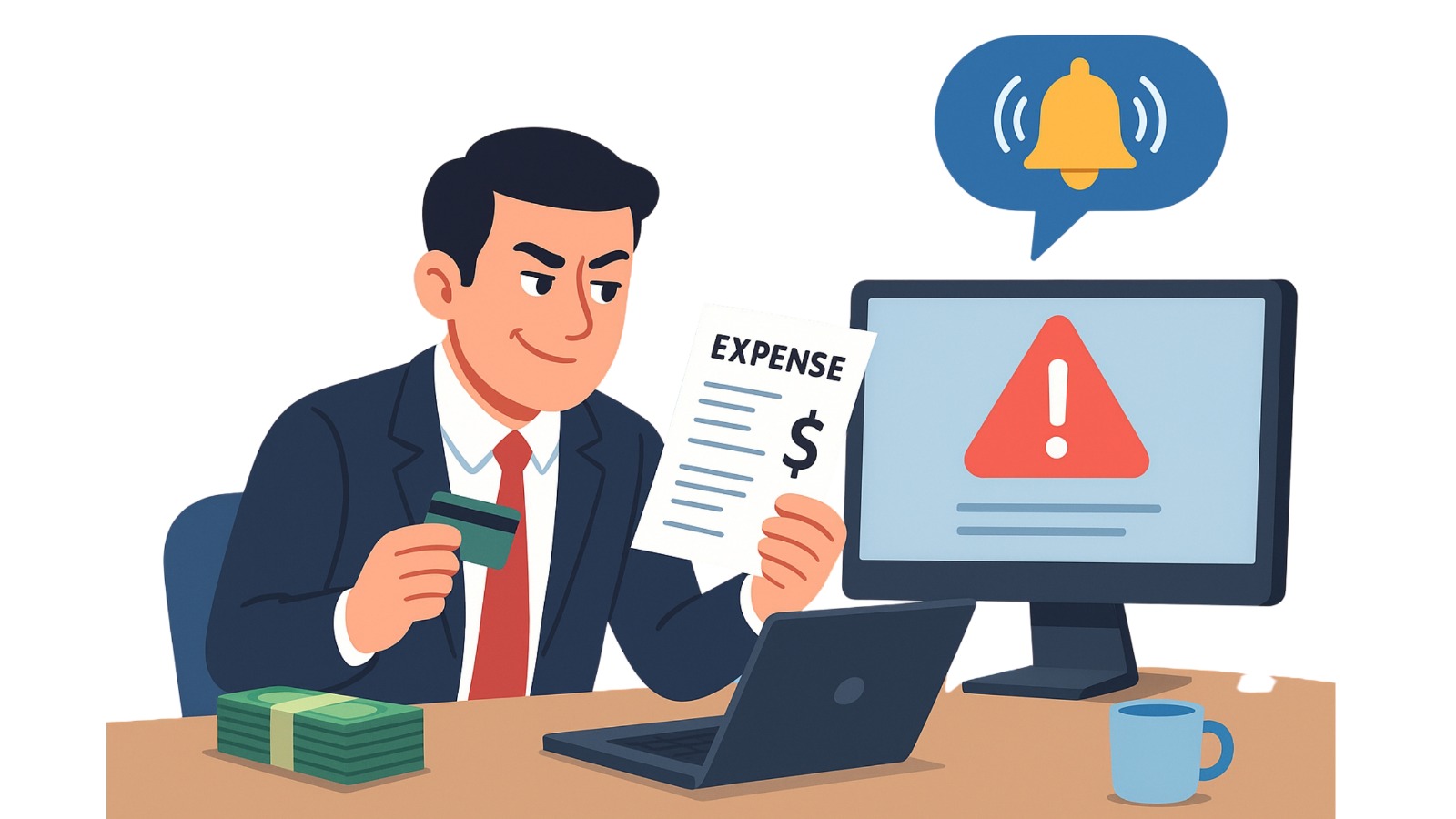

Vendor contract management is no longer just paperwork,it’s a compliance and risk management necessity. As regulations tighten and vendor ecosystems grow, organisations are realising that manual contract processes are not only inefficient but also a source of business risk.
The shift towards automated contract management software and AI-powered contract lifecycle management is helping businesses improve governance, efficiency, and agility.
The Statutory Need for Vendor Contracts
Vendor contracts are no longer optional. Regulatory bodies, auditors, and compliance frameworks require organisations to maintain accurate contracts with their suppliers. These contracts act as safeguards against:
- Regulatory non-compliance
- Financial disputes
- Vendor-related business risks
By digitising and automating these documents, businesses ensure audit readiness and vendor compliance automation at scale.
Anatomy of a Vendor Contract
A modern digital vendor contract goes beyond commercial terms. Typically, it covers:
- Vendor and buyer information
- Scope of work and service levels
- Commercial terms, pricing, and payment conditions
- Duration, renewal, and termination clauses
- Risk-mitigation policies (insurance, information security, employee details, processes, etc.)
- Confidentiality and non-poaching clauses
- Vendor’s business continuity planning
Such contracts form the foundation of effective vendor governance.
Why Manual Contract Management Fails
Despite their importance, many companies still rely on outdated manual processes. This creates several challenges:
- Misplaced, lost, or damaged contracts
- Multiple uncontrolled copies in circulation
- Expired contracts overlooked due to poor tracking
- Rising contract management costs
- Business heads unable to access contracts (restricted to legal teams)
- Loss of contract information when employees exit
These issues often lead to compliance gaps, financial leakages, and operational disruptions.
The Process-First Approach
Some organisations have attempted a “People + Process” approach:
- Assigning teams to monitor contract renewals
- Setting up quarterly contract audits
- Generating compliance reports for auditors
While effective for a while, this approach quickly becomes unsustainable as the number of contracts grows.
Why Digital Contract Lifecycle Management is Essential
The solution lies in digital contract lifecycle management (CLM) platforms. By automating the entire contract journey, from creation to renewal, businesses can:
- Digitise contracts for secure, centralised access
- Scan and archive paper contracts
- Enable smart searchability and quick retrieval
- Receive automated reminders for contract expiry
- Summarise key terms for business users
- Control access rights to maintain confidentiality
- Classify contracts for better organisation
Solutions like Expenzing Source-to-Pay Suite and Vendor Management Software eliminate manual dependency and bring in structured, automated workflows.
How AI is Transforming Contract Management
Beyond automation, AI Contract Management solutions are driving a new wave of efficiency.
- For Business Heads: AI simplifies legal jargon and delivers insights instantly. Leaders can ask AI-driven tools about contract terms, vendor obligations, or risks and receive answers in seconds.
- For Legal Teams: AI saves countless hours by automating contract capture, classification, and search. No more digging through files,AI-driven systems provide real-time contract intelligence.
This not only reduces risks but also empowers decision-makers with data-driven contract insights.
Conclusion
Vendor Contract Management is now a strategic requirement, not a back-office task. Organisations that rely on paper files or spreadsheets risk compliance failures, cost overruns, and business disruption.
By adopting AI-powered Contract Lifecycle Management software, businesses can ensure compliance, reduce costs, and gain visibility across thousands of vendor contracts.
With solutions like Expenzing’s AI-led Contract Management, organisations unlock:
- Automated compliance and renewal tracking
- Faster, smarter contract searchability
- Centralised, secure digital repository
- AI insights for risk management
In short, digital contract management is not just about efficiency,it’s about future-proofing your business.