
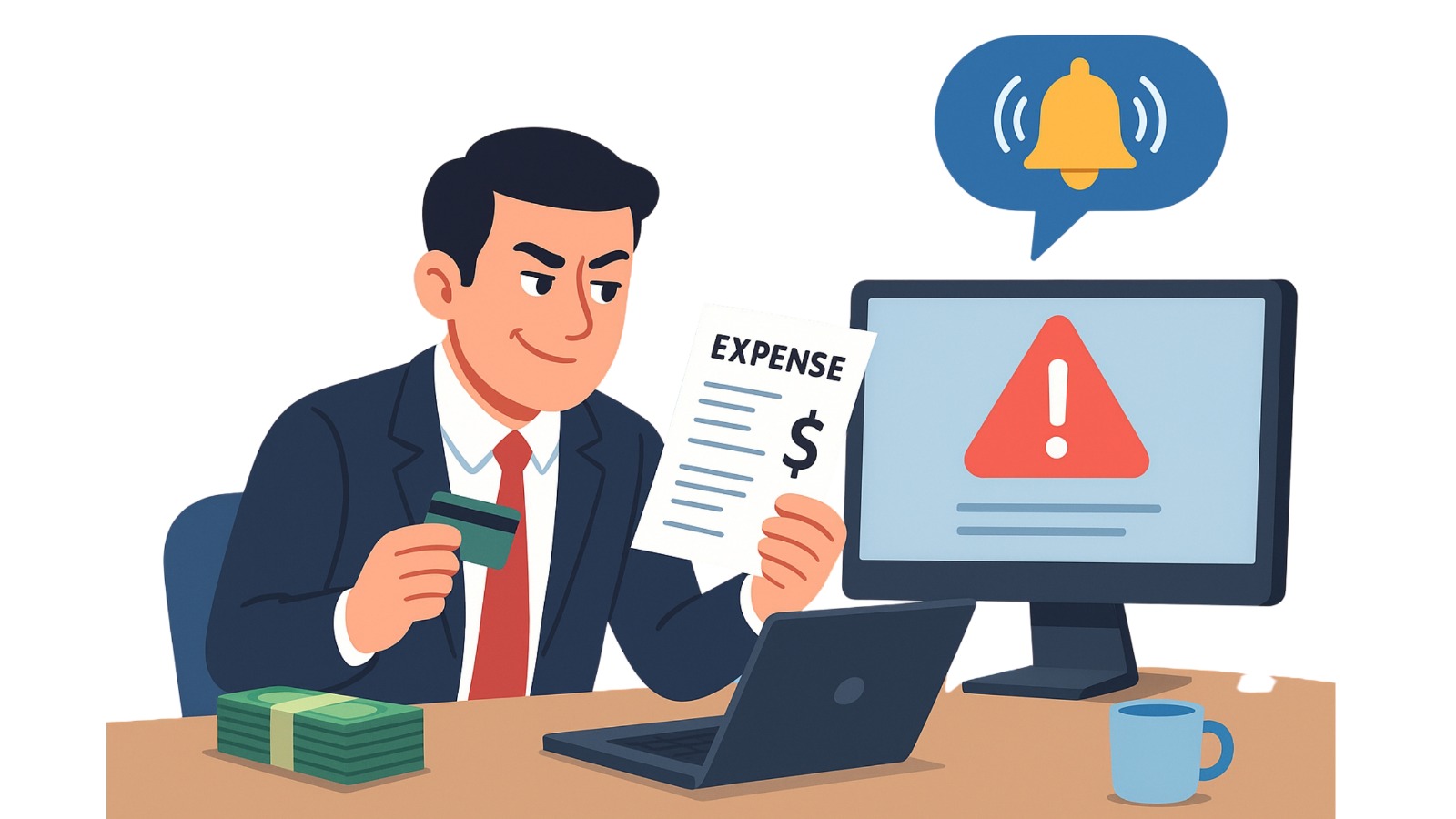
I’ve been around enough Indian boardrooms, travel desks, and vendor meetings to see a pattern: it’s rarely the big heists that hurt most. It’s the small, repeated fudges—the ones that slip through the cracks, month after month—that quietly suck value out of businesses.
Take Riya from IT. She knows her hotel bills well—and how to round them up just enough to pass as “business as usual.” On every trip, she adds a little extra to her meal bills or cab fares. No one bothers checking the small stuff—until finance adds it all up at the end of the year and realizes thousands have just… vanished. And there are hundreds of Riyas in large companies.
Or Suresh, in procurement, who once got smart with taxi receipts. He’d send the same bill under “travel” and then “miscellaneous.” Sounds obvious, but when these line items show up days or weeks apart, and the manual checks are rushed, who’s looking that closely? Multiply that by the tens of thousands of employee vouchers coming in every month.
Then there’s Ananya in Purchase. She’s good at using dead purchase orders—old POs that should have been closed ages ago, but linger in the system. Her friendly vendor, Mr. Rajan, knows just how to reroute a small invoice against an inactive PO, camouflaging tiny add-ons no one tracks… but they add up over time.
Let’s not forget the travel desk. There, partners love slipping in room upgrades or extra car days, marking them as “standard arrangements.” The bills don’t scream fraud, but every trip has a little extra cream on top.
And all along, personal claims get snuck into “client entertainment” or “team building,” with receipts that seem plausible—until you realize the “client” was someone’s cousin.
What lets all this happen? Inconsistent rules. Messy data. Manual, unreliable approvals. The tools for stopping these tricks haven’t kept up with how creative people have gotten.
So, what actually works?
First, my team at Expenzing and I have learned that configuring Delegation of Authority (DoA) right into your spend management system is non-negotiable. Every time money moves—be it ₹500 for a cab or ₹5,00,000 to a supplier—our platform checks who can authorize it, if it’s within their limits, and sends an alert if it’s not. No more “quick exceptions” or lost approvals. When the rules are built into the workflow and enforced by the software, there’s no room for ambiguity or trickery.
Second, we’re investing deeply in AI that’s designed to keep up with the inventiveness of those who fudge the rules. At Expenzing, our AI team is developing fraud and fudge detection tools that continually scan vouchers, receipts, invoices—everything. This tech hunts for overlapping expenses, edited receipts, odd vendor patterns, dead PO references and more. The most powerful part? The system keeps learning, because fraudsters are always inventing new ways to sneak things through. The idea isn’t to “catch” people, but to give honest teams a fighting chance—surfacing real risks, instantly, so issues can be fixed before the fudge becomes a fiasco.
Big frauds make headlines, but slow, everyday leaky pipes can drown your numbers just as effectively. Build the rules into your system, let AI do the watching, and you’ll protect your business—not just for the auditors, but for everyone who counts on the numbers being real.