
Blog

The CFO’s guide to reducing Invoice processing costs by 70%

13 Jul 2021

The CFO’s guide to reducing Invoice processing costs by 70%

Shabbir Imani

blog 25 header
All my bills say “Outstanding”. So, I must be doing a great job! – said no one ever.In a large corporation, the activity of ‘paying bills’ is inevitably much more complicated than your monthly routine of paying the dues at home. Despite having sophisticated systems and processes, companies take 60-90 days to pay for invoices.
By the time the invoice shows up, the commitment to spend has been made and approved. From the financial control perspective, it is no longer a question of whether we should be spending this amount or not. Then why does it take so long?Most Financial Controllers and A/P Heads say they have a good Invoice Management System already in place. Then why have a 60-90 days lag period to pay?We at Expenzing have a decade worth of data and domain experience to understand why this happens, and we have built several mechanisms in the Expenzing Procure to Pay solution, to dramatically bring this time and cost down.Here are TOP 7 ways that CFO’s suggest, will make it possible to bring the Invoice Processing Costs and Time down by up to 70%.
  1. Automated Due Diligence
  2. Due DilligenceA/P teams spenda lot of time struggling to find answers to basic questions,:
    • “Is this invoice billed correctly?
    • Does it look like a duplicate invoice?
    • Has it been paid before? (We all know it happens!)
    • To which department does this invoice belong?
    • Who is responsible for this supplier?
    • Is this invoice against an expired Purchase Order?
    • Is it authorized to pay?
    Finding the answers to all these questions would exhaust even the famed Sherlock Holmes!Wouldn’t it be great if you had an automated checklist against ready data, that would flag any alerts? Expenzing’s automated due diligence brings down work from days to mere minutes, thereby reducing your cost and effort significantly.
  3. “No PO  –  No Pay”
  4. no payProcess rules like “No PO – No Pay” can be set in an integrated Procure-to-Pay system. An isolated procurement system may have all the bells and whistles but does not have a system to automatically match Invoices against the PO leaves gaping holes in the process. If the “Purchase Order to Goods Receipt Note to Invoice” traceability is transparent, then the approval rules for the invoice can be simplified drastically. These automated rules make audits a breeze!
  5. System-enforced Rate Contracts
  6. automated supplierRate Contracts are an effective mechanism for cost control when consuming services and operational expenses. However, when such contracts are centrally signed, the question always remains: are they being enforced when those items are being procured? Are these purchases even being made from the vendors with whom the company has a rate contract?When the head office negotiates and finalizes rates with vendors, publishes them across departments and locations, how should they ensure that deviations don’t happen at the branches? Companies can save thousands of dollars by enforcing rates using this rate card control tool in the Procure to Pay system.
  7. Automated Supplier Due Diligence
  8. automated supplier due toAccounting / ERP systems do help Accounts Payable teams to check the Supplier List of empaneled vendors. But additional questions like:
    • Is this supplier approved?
    • Is this supplier’s GST registration number validated?
    • Does the supplier have a Lower TDS certificate? What is its threshold limit?
    • Do we have all documents collected and checked for this supplier?
    Accounts Payable teams struggle to maintain a ready reference of supplier information, especially in a large corporation with hundreds of branches. Having this updated information at the time of invoice processing can save precious time and wastages.
  9. On-Time Payment
  10. on-time paymentMany organizations have streamlined their A/P processes to pay all supplier invoices within the stipulated due dates. This not only reduces any business penalties or disruption, but also improves supplier relations, and enhances bargaining power when renewing contracts. Expenzing Procure-to-pay helps ensure you stick to the promise you make to your suppliers.
  11. Easy Inwarding of Supplier Invoices by Business Users
  12. easy inwarding of supplierMany companies outsource data entry of supplier invoices and pay large amounts of money every month for this activity. Imagine if you could get your business user to fill that information in 3 simple steps, or better still, get your supplier to log in online and submit the invoices on your portal. This is especially fruitful when the first round of checking is done during the inwarding process to eliminate gaps or errors. Suppliers love the idea of online submission of invoices because it assures them of timely payment.
  13. Integration with your Accounting System – A good Procure to Pay system should integrate with your accounting system seamlessly. This would save time, errors, and tedium.

  14. integration with you accounting
Over the past decade, Expenzing has had one focus: to help enterprises bring in spend control while bringing in tighter governance. The product suite fulfills this objective by providing tools and features to enable this effectively. Watch this space for more on Financial Control, Spend Management, eProcurement, and Expense Management.

All my bills say “Outstanding”. So, I must be doing a great job! – said no one ever.

In a large corporation, the activity of ‘paying bills’ is inevitably much more complicated than your monthly routine of paying the dues at home. Despite having sophisticated systems and processes, companies take 60-90 days to pay for invoices.

By the time the invoice shows up, the commitment to spend has been made and approved. From the financial control perspective, it is no longer a question of whether we should be spending this amount or not. Then why does it take so long?

Most Financial Controllers and A/P Heads say they have a good Invoice Management System already in place. Then why have a 60-90 days lag period to pay?

We at Expenzing have a decade worth of data and domain experience to understand why this happens, and we have built several mechanisms in the Expenzing Procure to Pay solution, to dramatically bring this time and cost down.

Here are TOP 7 ways that CFO’s suggest, will make it possible to bring the Invoice Processing Costs and Time down by up to 70%.
1. Automated Due Diligence
img

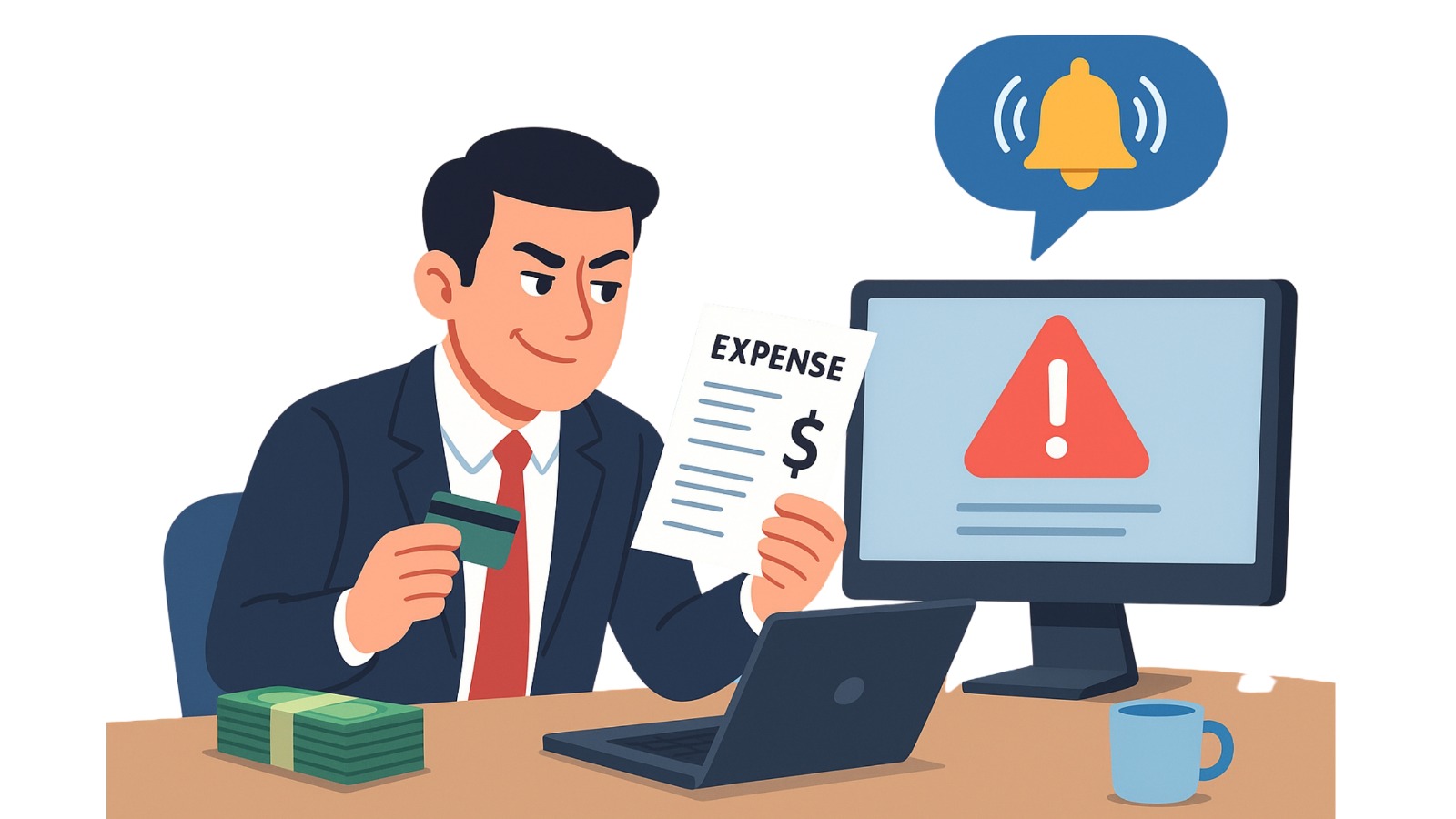
A/P teams spenda lot of time struggling to find answers to basic questions,:
“Is this invoice billed correctly?

Does it look like a duplicate invoice?

Has it been paid before? (We all know it happens!)

To which department does this invoice belong?

Who is responsible for this supplier?

Is this invoice against an expired Purchase Order?

Is it authorized to pay?

Finding the answers to all these questions would exhaust even the famed Sherlock Holmes!

Wouldn’t it be great if you had an automated checklist against ready data, that would flag any alerts? Expenzing’s automated due diligence brings down work from days to mere minutes, thereby reducing your cost and effort significantly.

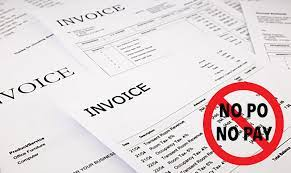
2. “No PO – No Pay”
img

Process rules like “No PO – No Pay” can be set in an integrated Procure-to-Pay system. An isolated procurement system may have all the bells and whistles but does not have a system to automatically match Invoices against the PO leaves gaping holes in the process. If the “Purchase Order to Goods Receipt Note to Invoice” traceability is transparent, then the approval rules for the invoice can be simplified drastically. These automated rules make audits a breeze!

3. System-enforced Rate Contracts
img

Rate Contracts are an effective mechanism for cost control when consuming services and operational expenses. However, when such contracts are centrally signed, the question always remains: are they being enforced when those items are being procured? Are these purchases even being made from the vendors with whom the company has a rate contract?

When the head office negotiates and finalizes rates with vendors, publishes them across departments and locations, how should they ensure that deviations don’t happen at the branches? Companies can save thousands of dollars by enforcing rates using this rate card control tool in the Procure to Pay system.

4. Automated Supplier Due Diligence
img

Accounting / ERP systems do help Accounts Payable teams to check the Supplier List of empaneled vendors. But additional questions like:

Is this supplier approved?

Is this supplier’s GST registration number validated?

Does the supplier have a Lower TDS certificate? What is its threshold limit?

Do we have all documents collected and checked for this supplier?

Accounts Payable teams struggle to maintain a ready reference of supplier information, especially in a large corporation with hundreds of branches. Having this updated information at the time of invoice processing can save precious time and wastages.

5. On-Time Payment
img

Many organizations have streamlined their A/P processes to pay all supplier invoices within the stipulated due dates. This not only reduces any business penalties or disruption, but also improves supplier relations, and enhances bargaining power when renewing contracts. Expenzing Procure-to-pay helps ensure you stick to the promise you make to your suppliers.

6. Easy Inwarding of Supplier Invoices by Business Users
img

Many companies outsource data entry of supplier invoices and pay large amounts of money every month for this activity. Imagine if you could get your business user to fill that information in 3 simple steps, or better still, get your supplier to log in online and submit the invoices on your portal. This is especially fruitful when the first round of checking is done during the inwarding process to eliminate gaps or errors. Suppliers love the idea of online submission of invoices because it assures them of timely payment.

7. Integration with your Accounting System – A good Procure to Pay system should integrate with your accounting system seamlessly. This would save time, errors, and tedium.
img

Over the past decade, Expenzing has had one focus: to help enterprises bring in spend control while bringing in tighter governance. The product suite fulfills this objective by providing tools and features to enable this effectively. Watch this space for more on Financial Control, Spend Management, eProcurement, and Expense Management.

Read Our Blogs

blog expenzing

27 Nov 2025

Expenzing Infosecurity: The Backbone of Trust in EnterpriseSaaS Spend Management

In an era where data breaches and cyber threats dominate headlines and regulatory landscapes evolve rapidly, information security (infosec) stands

Satnam Kaur - Co-Founder and CTO, Expenzing

blog_feature_image

11 Nov 2025

The Fudge Factor in Indian business

I’ve been around enough Indian boardrooms, travel desks, and vendor meetings to see a pattern: it’s rarely the big heists

Ila Imani - Founder CEO, Expenzing

blog

21 Aug 2025

Why Organisations Are Automating Contract Management

Vendor contract management is no longer just paperwork,it’s a compliance and risk management necessity. As regulations tighten and vendor ecosystems

Dipti Mhatre

See the Possibilities. View our Demo.

satnam

Satnam Kaur

Co-Founder and CTO,
Expenzing

Satnam Kaur, Co-Founder and CTO of Expenzing, is a BITS Pilani alumna with deep expertise in information security, engineering management, and enterprise solution delivery. Beginning her career as a software developer and system analyst, she went on to lead product roadmaps, implementations, and large-scale technology teams. At Expenzing, Satnam heads technology, product development, and Infosec, playing a pivotal role in building secure, enterprise-grade SaaS solutions that balance innovation, precision, and client-centric delivery. A compassionate yet driven leader, she ensures that customer success remains central to every implementation, while also championing process excellence and automation. Beyond work, she enjoys travelling, singing, and contributing to social causes.

shabbir imani

Shabbir Imani

Founder Director,
Expenzing

Shabbir Imani, Co-Founder and Sales Director of Expenzing, holds a PGDM from IIM Calcutta (1985) with a specialization in Finance and Marketing. With over three decades of experience in enterprise solutions, he has a proven track record of scaling software products and driving business growth across industries. At Expenzing, Shabbir leads Sales and Strategy, shaping the company’s go-to-market approach and expanding its reach among large enterprises. A thought leader in spend management and a regular speaker at industry forums, he combines strategic vision with strong execution to deliver measurable business impact for clients, while also nurturing his personal passions for travel, music, and fitness.

illa imani

Ila Imani

Founder CEO,
Expenzing

Ila Imani, Founder CEO, and Product Owner of Expenzing, is an IIM Calcutta alumna (PGDM, 1986) with a specialization in Systems. She began her career as a systems analyst and programmer, gaining first-hand insights into the challenges of fragmented procurement and finance processes. Ila is the visionary behind Expenzing’s Spend Management Suite, guiding its evolution into a leading SaaS platform used by over 100 CFOs and hundreds of thousands of enterprise users. She drives the product roadmap with a strong focus on precision, compliance, and measurable client outcomes. Known for nurturing teams and building lasting client relationships, she drives the product roadmap with a focus on precision, compliance, and measurable outcomes, ensuring Expenzing consistently delivers value while redefining how enterprises control spend and manage compliance.

this for check box

Expenzing: Sourcing, Procurement and Accounts Payable Software
Privacy Overview

This website uses cookies so that we can provide you with the best user experience possible. Cookie information is stored in your browser and performs functions such as recognising you when you return to our website and helping our team to understand which sections of the website you find most interesting and useful.