This is a summary of the welcome address at the India CFO Summit 2021, given by Shabbir Imani,
Founder – Director Expenzing. He shared his thoughts on how recent events have impacted CFO’s
approach to digital transformation.
For the past few decades, the focus area of most business initiatives was ‘increasing financial
efficiency’. Just-in-Time inventory management, economies of scale, outsourcing, and all digital
initiatives focused on getting more done using less resources.
However, recent uncertainties caused by the COVID pandemic, US-China relations, and the
suffering economy have put a crank in what was working alright earlier. Some efficiency
systems like Just-in-Time inventory management, which take so long to work well, only hurt the
businesses this time around.
Efficiency is still important. However, it is no longer the cornerstone for business improvement
projects.
So what next?
We explore how a vendor lifecycle can be managed easily at every step to extract maximum value in this article.
The two new trends in business growth that seem to be emerging are:
1. Resilience: How well can you hold your ground in adversiy?
2. Agility: How fast can you adapt to the new business requirements?

Now the CFO role includes more of a balancing act across these three seemingly opposing forces.
Many times, steps taken to be more resilient or more agile take one away from being the most efficient.
How are these new trends impacting CFO’s digital initiatives?
Hyper-Automation:
Iron-fist of number-based ROI no longer controls digital initiatives. This trend has opened doors for value-based digital initiatives that manage risk, increase operational efficiency, and make life easy. The industries/organizations that experience increased human resource turnover have greatly benefited from this trend. It has also helped to bring about a shift in team composition. Because of automation, organizations can bring in more analytically inclined people who are initiative drivers without increasing the total team size.
Moving beyond ERPs:
Systems like CRM, HRMS, Warehousing, etc., which were earlier available only as part of an umbrella/generic ERP offering, are now breaking away into specialized products. New and modern products offer a categorically better UM/UI, that has an immense influence on overall product adoption.
Organizations are motivated to create a larger integrated ecosystem extending beyond their own, to include the entire value chain like suppliers, banks, etc. Specialist systems help them move beyond recordkeeping and add value, like having a better process management system with a granular delegation of authority and better compliance and built-in controls.
Approach to Application Software:
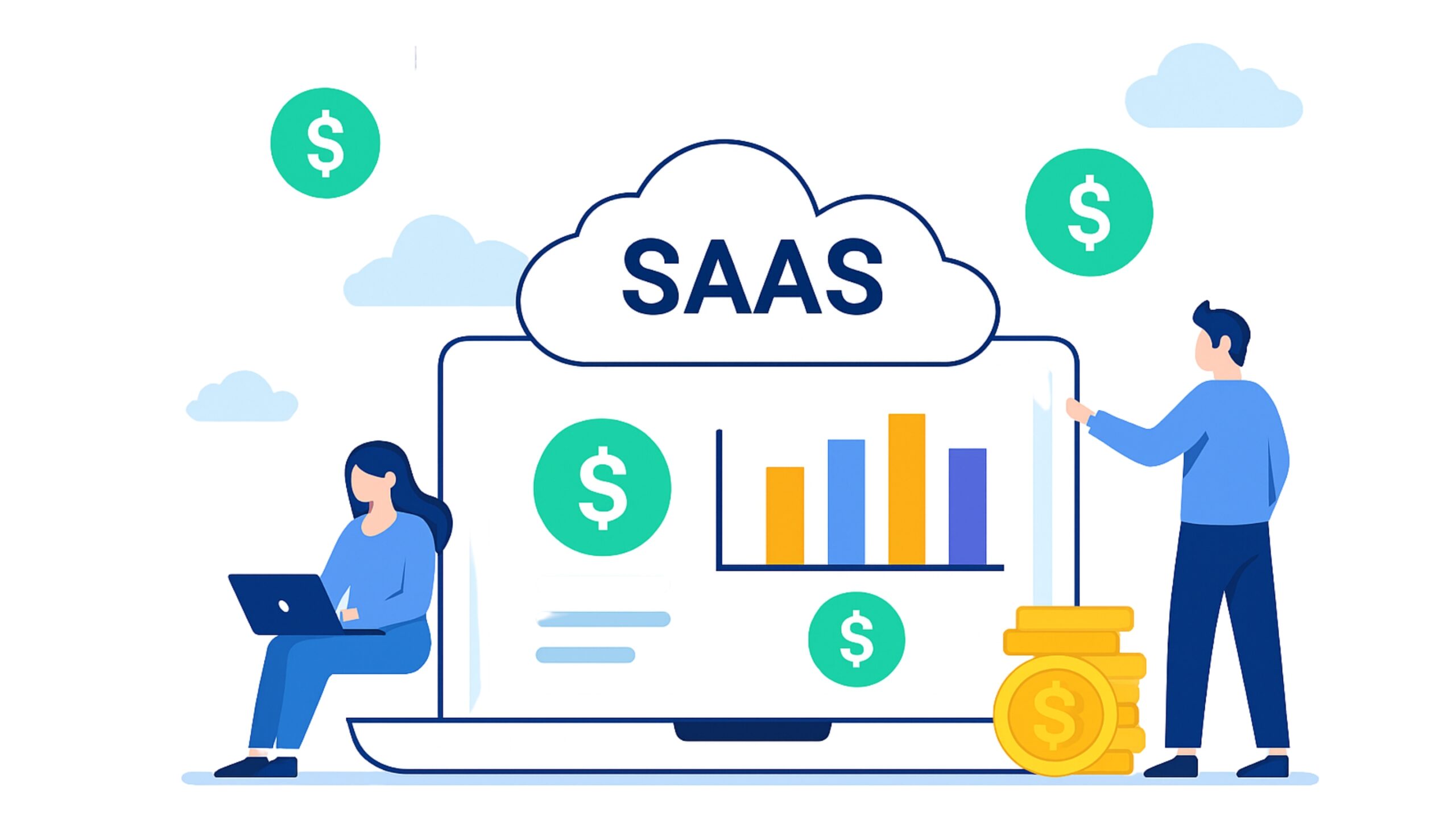
The contemporary approach is to put in a system quickly without languishing over a long decision-making process with very few decision-makers. Organizations now prefer cloud, SaaS, products instead of on-premise, in-house, and custom-built software. Minimum investment reduces risk and allows the organization to move fast if the product is not working as expected. ‘Fail fast’, so that you can learn and move on rather than continuing to invest in a losing enterprise.