
Blog

How to ensure Successful Procure to Pay implementation

25 Aug 2021

How to ensure Successful Procure to Pay implementation

Anjali Desai

blog 21 header

As a Procurement and A/P Digital Transformation leader, it is indeed exciting to lead the journey towards a more cost-effective, and better process. The entire journey of identifying software products, shortlisting vendors, and finalizing the best Procure to Pay product is very gratifying. One is tempted to take a bow and walk away to the next adventure, after a job well done.

But the job isn’t done yet. The shiny new Procure to Pay product still needs to be implemented successfully. Invariably, a lot of organizations struggle in this phase as more stakeholders get involved during implementation.

When do you say your P2P implementation has been successful?

A system which is now ready-to-use is a successful implementation;

OR, only when the organization starts to see significant dollar savings?

I would offer this as a better benchmark of a successful implementation:

A successful implementation is when the system installation is complete, AND users have started using the system. That means, you have successful product installation and successful product adoption. The savings and benefits you were seeking are inevitable once this success is achieved.

Let us explore HOW to achieve that successful state as soon as possible.

These three aspects will help you ensure fast and successful implementation.

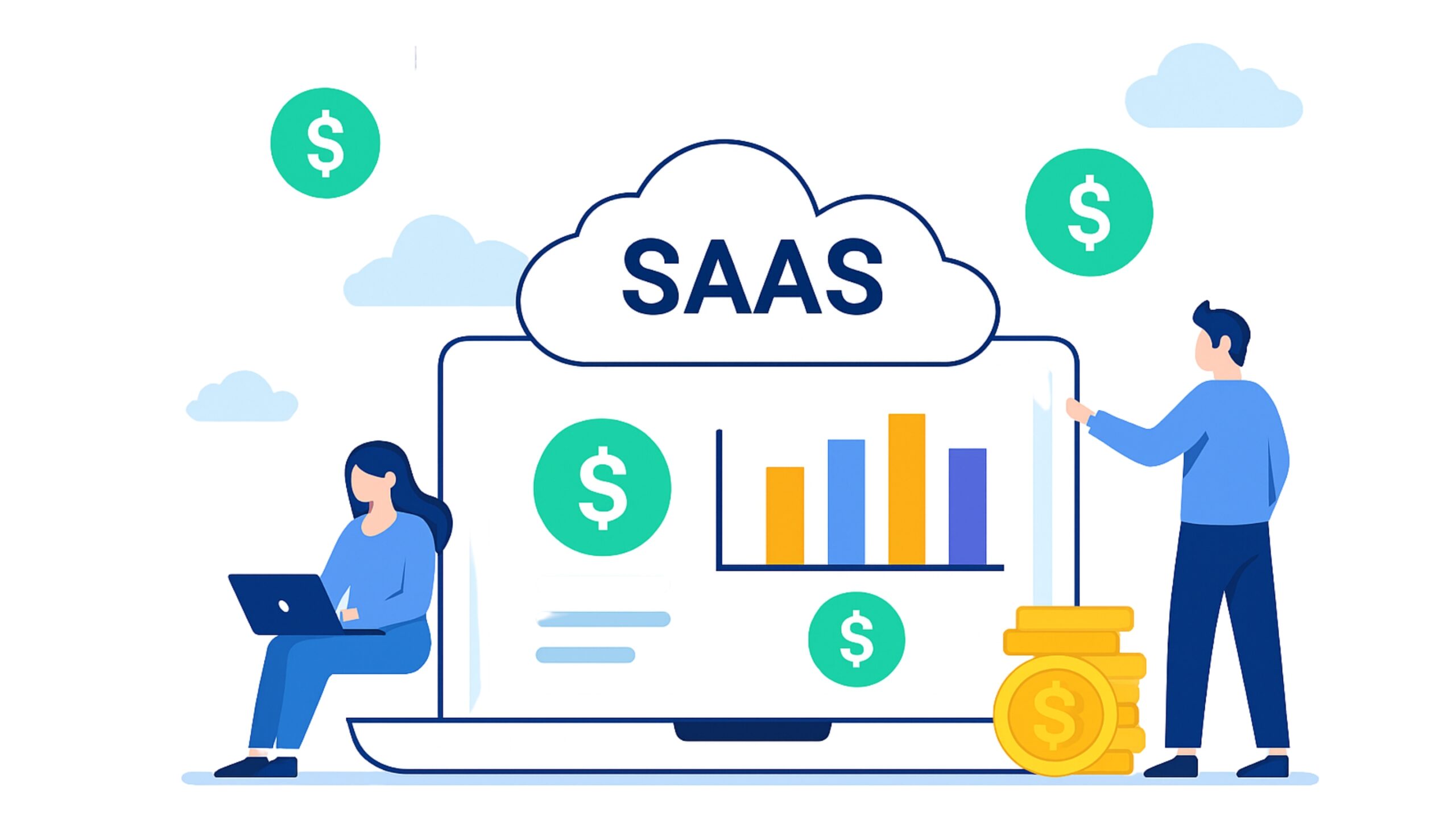
1.   Commitment: Top-level sponsorship for the project significantly increases the probability of quick success.1st img

Remember that implementing an eProcurement system will impact almost all departments on how they conduct business with their vendors. The process change that you envision, is like a diet plan that will result in lean and effective organizational spendings. However, not everyone wants to ‘diet’. That makes change management always tricky.

Therefore, it is instrumental beyond measure that top management demonstrates project support to pave the way for project adoption. A positive approach from all stakeholders activates a solution-seeking attitude towards the project. It also speeds up the timelines.

Another visible sign of organization commitment towards the implementation is when a dedicated project management team is assigned for this implementation project, to work with the  product vendor. This project management team will help translate that commitment into project success by offering constructive suggestions, getting the right resources allocated, chasing and receiving the correct approvals for different project decisions, arranging for proper data collection, etc.

Before starting an eProcurement software implementation, this commitment needs to be assured.

Implementation teams that are not fully committed to the project insist on replicating the ‘as-is’ process through the system. That results in the project losing out on the benefits and controls brought in by the new system. That would only defeat the whole initiative.

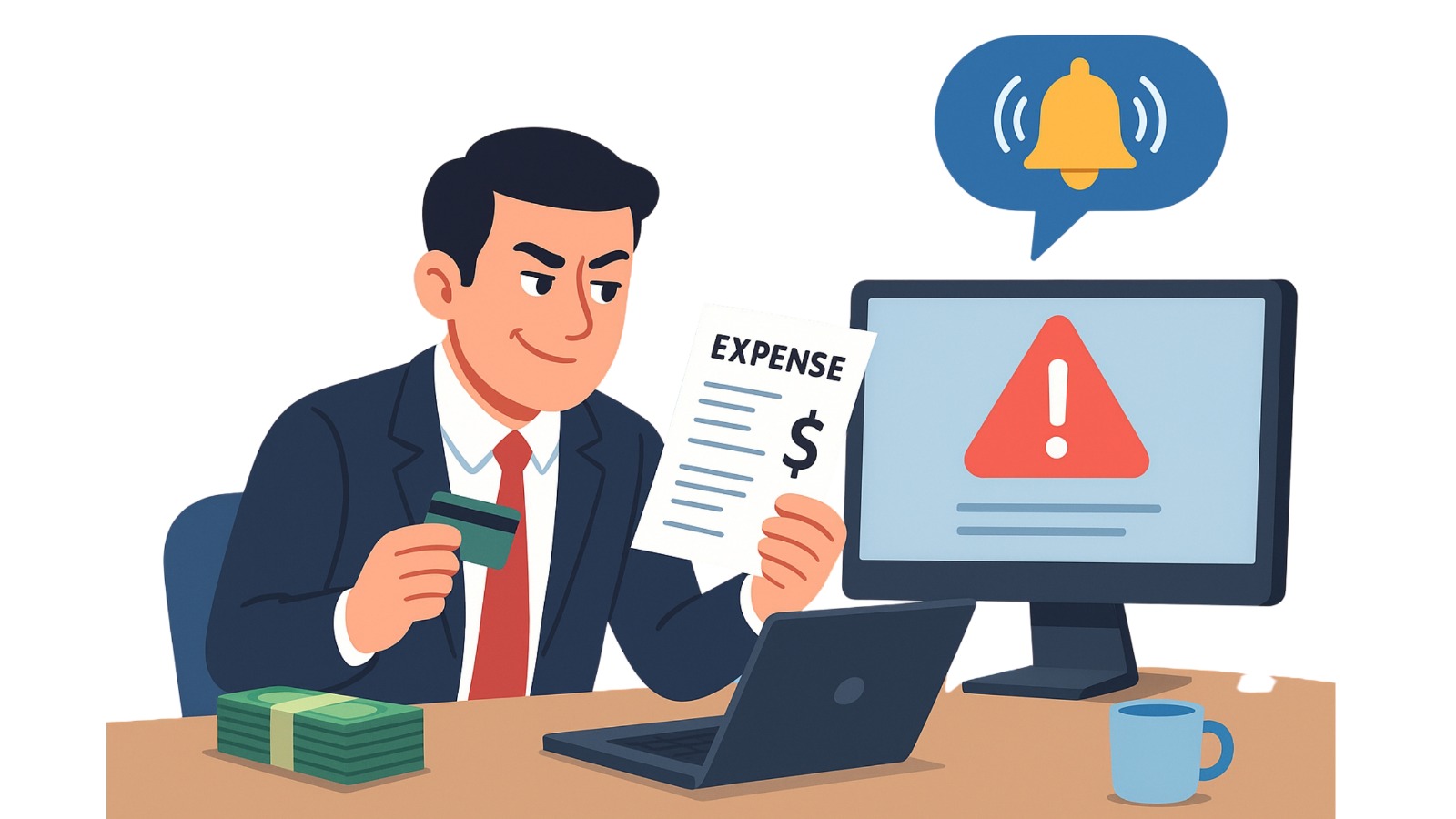
2. Customization: The Big C that makes or breaks an implementation. 2nd img

When looking for a Procure to Pay solution, it is best to go for a highly configurable and adaptable product, where your business requirements can be met pretty much ‘out of the box’.

Go in for a product that offers the benefits of a suite of integrated modules, to avoid unnecessary integration and customization across processes.

For example, Expenzing Procurement Management is naturally integrated to other related systems like Asset Management, wherein an asset which is procured has to get tracked by the asset management system. Even if you go only for one of the modules out of the suite, it reduces chances of additional customization when you add modules later on.

Product companies have solution consultants who are experts with domain knowledge gathered over hundreds of implementations. They not only have a deep understanding of the product but can also suggest ways to modify the current solution to bridge any functionality gap. They can suggest minimal changes to the product thereby making it easy to adopt, while not resulting in the chaos of heavy customisation.

Here are 3 reasons why an ‘out of the box’ product is the way to go:

  • Cost: The cost of customization is a variable cost, over and above the cost of the product. Variable costs can run into thousands of dollars, greatly derailing the total cost of the project.
  • Upgrades: Customizing a product hampers the chances of timely upgrades since a new version of the product will require the same amount of coding, testing, retrospective testing, and release time as the original effort. So you end up paying the cost of customization for each upgrade.
  • Eventual Customer Dissatisfaction: Since it requires almost constant project management in time, someone ends up questioning the need for such an effort every time. This usually results in forfeiting upgrades or looking for a new product all over again, wasting precious time and capital.

The summary: customise if you must, but keep it minimal. As examples go, if one buys a bike and attaches wings to it to make it fly, neither will it remain a great bike nor become a functional plane.

3. Control the project with the right governanceRight Governance

Project governance is the ‘secret sauce’ of a well-executed project; this includes regular reviews, highlighting issues at the right time to the right audience, definition of the escalation matrix, etc.

For product implementation, we must understand that the product is already successfully created. The key activities now are to set up the infrastructure/ subscribe to the cloud, install the product, train and enable usage after uploading correct data. The only coding-related activities are integrations with connecting systems and customization, if any. It is easy to implement it in an agile process.

Being strict about the project governance is easy, AND very critical for such implementations.

Finally, I would sign off with:

When in doubt, trust the experts. Since the product experts have years of implementing the same product across varying scenarios, they guide you to the most feasible and scalable solution. Even though each project is different and each experience is unique in its own way, being mindful of these 3 Cs (Commitment, Customisation, Control) will ensure successful implementation and usage of any other complex system.

Check out 10 Big Questions to ask before buying an Integrated P2P Solution Software

As a Procurement and A/P Digital Transformation leader, it is indeed exciting to lead the journey towards a more cost-effective, and better process. The entire journey of identifying software products, shortlisting vendors, and finalizing the best Procure to Pay product is very gratifying. One is tempted to take a bow and walk away to the next adventure, after a job well done.

But the job isn’t done yet. The shiny new Procure to Pay product still needs to be implemented successfully. Invariably, a lot of organizations struggle in this phase as more stakeholders get involved during implementation.

When do you say your P2P implementation has been successful?

A system which is now ready-to-use is a successful implementation:

OR, only when the organization starts to see significant dollar savings?

I would offer this as a better benchmark of a successful implementation:

A successful implementation is when the system installation is complete, AND users have started using the system. That means, you have successful product installation and successful product adoption.The savings and benefits you were seeking are inevitable once this success is achieved.

Let us explore HOW to achieve that successful state as soon as possible.

These three aspects will help you ensure fast and successful implementation.
1. Commitment: Top-level sponsorship for the project significantly increases the probability of quick success.

Remember that implementing an eProcurement system will impact almost all departments on how they conduct business with their vendors. The process change that you envision, is like a diet plan that will result in lean and effective organizational spendings . However, not everyone wants to ‘diet’. That makes change management always tricky.

Therefore, it is instrumental beyond measure thattop management demonstrates project supportto pave the way for project adoption. A positive approach from all stakeholders activates a solution-seeking attitude towards the project. It also speeds up the timelines.

Another visible sign of organization commitment towards the implementation is when a dedicated project management team is assigned for this implementation project, to work with the  product vendor. This project management team will help translate that commitment into project success by offering constructive suggestions, getting the right resources allocated, chasing and receiving the correct approvals for different project decisions, arranging for proper data collection, etc.

Before starting an eProcurement software implementation, this commitment needs to be assured.

Implementation teams that are not fully committed to the project insist on replicating the ‘as-is’ process through the system. That results in the project losing out on the benefits and controls brought in by the new system. That would only defeat the whole initiative.

2. Customization: The Big C that makes or breaks an implementation.
blog 21 img2

When looking for a Procure to Pay solution, it is best to go for a highly configurable and adaptable product, where your business requirements can be met pretty much ‘out of the box’.

Go in for a product that offers the benefits of a suite of integrated modules, to avoid unnecessary integration and customization across processes.

For example, Expenzing Procurement Management is naturally integrated to other related systems like Asset Management, wherein an asset which is procured has to get tracked by the asset management system. Even if you go only for one of the modules out of the suite, it reduces chances of additional customization when you add modules later on.

Product companies have solution consultants who are experts with domain knowledge gathered over hundreds of implementations. They not only have a deep understanding of the product but can also suggest ways to modify the current solution to bridge any functionality gap. They can suggest minimal changes to the product thereby making it easy to adopt, while not resulting in the chaos of heavy customisation.

Here are 3 reasons why an ‘out of the box’ product is the way to go:

  • Cost: The cost of customization is a variable cost, over and above the cost of the product. Variable costs can run into thousands of dollars, greatly derailing the total cost of the project.

  • Upgrades: Customizing a product hampers the chances of timely upgrades since a new version of the product will require the same amount of coding, testing, retrospective testing, and release time as the original effort. So you end up paying the cost of customization for each upgrade.

  • Eventual Customer Dissatisfaction: Since it requires almost constant project management in time, someone ends up questioning the need for such an effort every time. This usually results in forfeiting upgrades or looking for a new product all over again, wasting precious time and capital.

The summary: customise if you must, but keep it minimal. As examples go, if one buys a bike and attaches wings to it to make it fly, neither will it remain a great bike nor become a functional plane.

3. Control the project with the right governance

blog 21 img3

Project governance is the ‘secret sauce’ of a well-executed project; this includes regular reviews, highlighting issues at the right time to the right audience, definition of the escalation matrix, etc.

For product implementation, we must understand that the product is already successfully created. The key activities now are to set up the infrastructure/ subscribe to the cloud, install the product, train and enable usage after uploading correct data. The only coding-related activities are integrations with connecting systems and customization, if any. It is easy to implement it in an agile process.

Being strict about the project governance is easy, AND very critical for such implementations.

Finally, I would sign off with:

When in doubt, trust the experts. Since the product experts have years of implementing the same product across varying scenarios, they guide you to the most feasible and scalable solution. Even though each project is different and each experience is unique in its own way, being mindful of these 3 Cs (Commitment, Customisation, Control) will ensure successful implementation and usage of any other complex system.

Check out 10 Big Questions to ask before buying an Integrated P2P Solution Software

Read Our Blogs

blog expenzing

27 Nov 2025

Expenzing Infosecurity: The Backbone of Trust in EnterpriseSaaS Spend Management

In an era where data breaches and cyber threats dominate headlines and regulatory landscapes evolve rapidly, information security (infosec) stands

Satnam Kaur - Co-Founder and CTO, Expenzing

blog_feature_image

11 Nov 2025

The Fudge Factor in Indian business

I’ve been around enough Indian boardrooms, travel desks, and vendor meetings to see a pattern: it’s rarely the big heists

Ila Imani - Founder CEO, Expenzing

blog

21 Aug 2025

Why Organisations Are Automating Contract Management

Vendor contract management is no longer just paperwork,it’s a compliance and risk management necessity. As regulations tighten and vendor ecosystems

Dipti Mhatre

See the Possibilities. View our Demo.

satnam

Satnam Kaur

Co-Founder and CTO,
Expenzing

Satnam Kaur, Co-Founder and CTO of Expenzing, is a BITS Pilani alumna with deep expertise in information security, engineering management, and enterprise solution delivery. Beginning her career as a software developer and system analyst, she went on to lead product roadmaps, implementations, and large-scale technology teams. At Expenzing, Satnam heads technology, product development, and Infosec, playing a pivotal role in building secure, enterprise-grade SaaS solutions that balance innovation, precision, and client-centric delivery. A compassionate yet driven leader, she ensures that customer success remains central to every implementation, while also championing process excellence and automation. Beyond work, she enjoys travelling, singing, and contributing to social causes.

shabbir imani

Shabbir Imani

Founder Director,
Expenzing

Shabbir Imani, Co-Founder and Sales Director of Expenzing, holds a PGDM from IIM Calcutta (1985) with a specialization in Finance and Marketing. With over three decades of experience in enterprise solutions, he has a proven track record of scaling software products and driving business growth across industries. At Expenzing, Shabbir leads Sales and Strategy, shaping the company’s go-to-market approach and expanding its reach among large enterprises. A thought leader in spend management and a regular speaker at industry forums, he combines strategic vision with strong execution to deliver measurable business impact for clients, while also nurturing his personal passions for travel, music, and fitness.

illa imani

Ila Imani

Founder CEO,
Expenzing

Ila Imani, Founder CEO, and Product Owner of Expenzing, is an IIM Calcutta alumna (PGDM, 1986) with a specialization in Systems. She began her career as a systems analyst and programmer, gaining first-hand insights into the challenges of fragmented procurement and finance processes. Ila is the visionary behind Expenzing’s Spend Management Suite, guiding its evolution into a leading SaaS platform used by over 100 CFOs and hundreds of thousands of enterprise users. She drives the product roadmap with a strong focus on precision, compliance, and measurable client outcomes. Known for nurturing teams and building lasting client relationships, she drives the product roadmap with a focus on precision, compliance, and measurable outcomes, ensuring Expenzing consistently delivers value while redefining how enterprises control spend and manage compliance.

this for check box

Expenzing: Sourcing, Procurement and Accounts Payable Software
Privacy Overview

This website uses cookies so that we can provide you with the best user experience possible. Cookie information is stored in your browser and performs functions such as recognising you when you return to our website and helping our team to understand which sections of the website you find most interesting and useful.