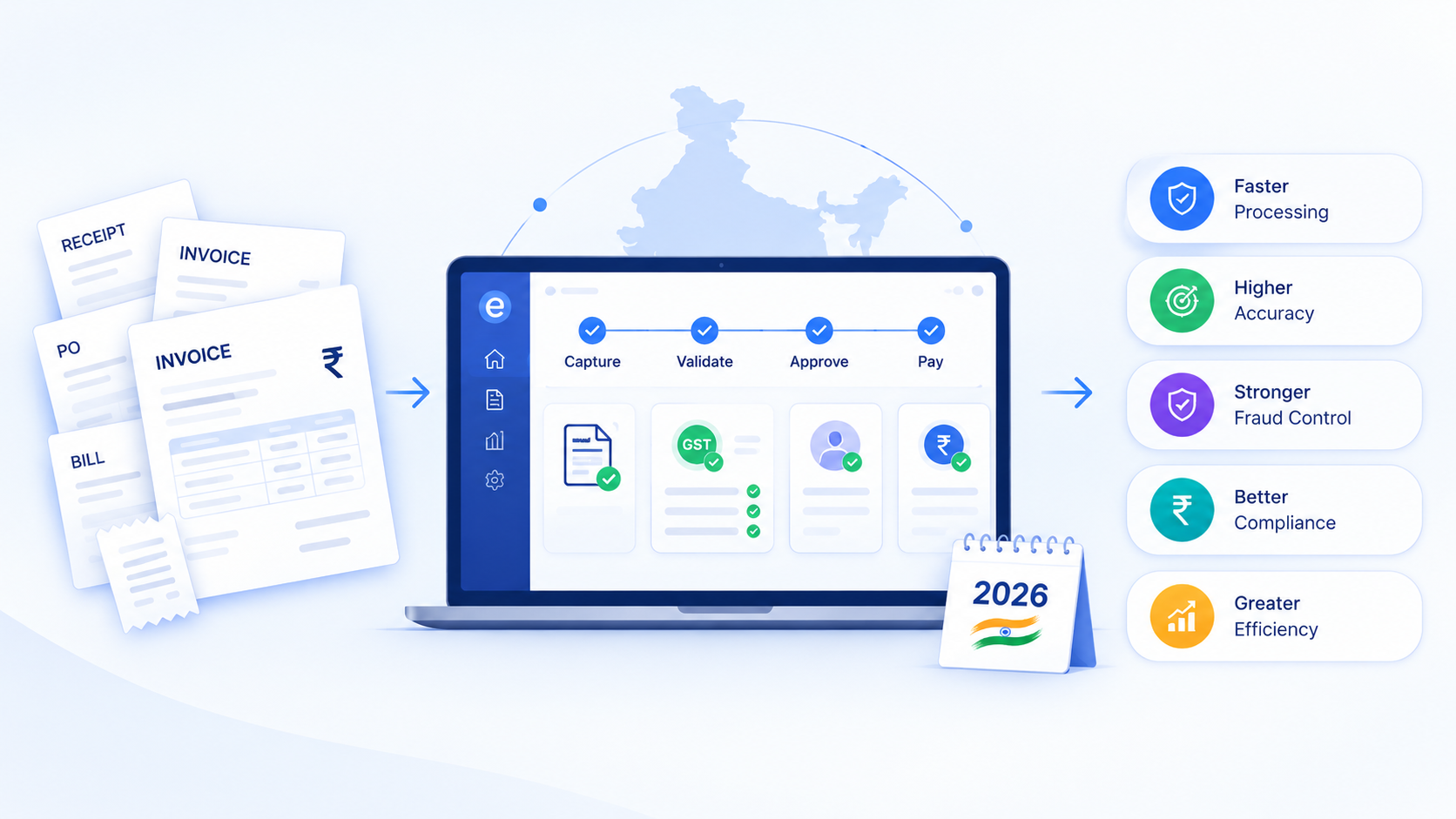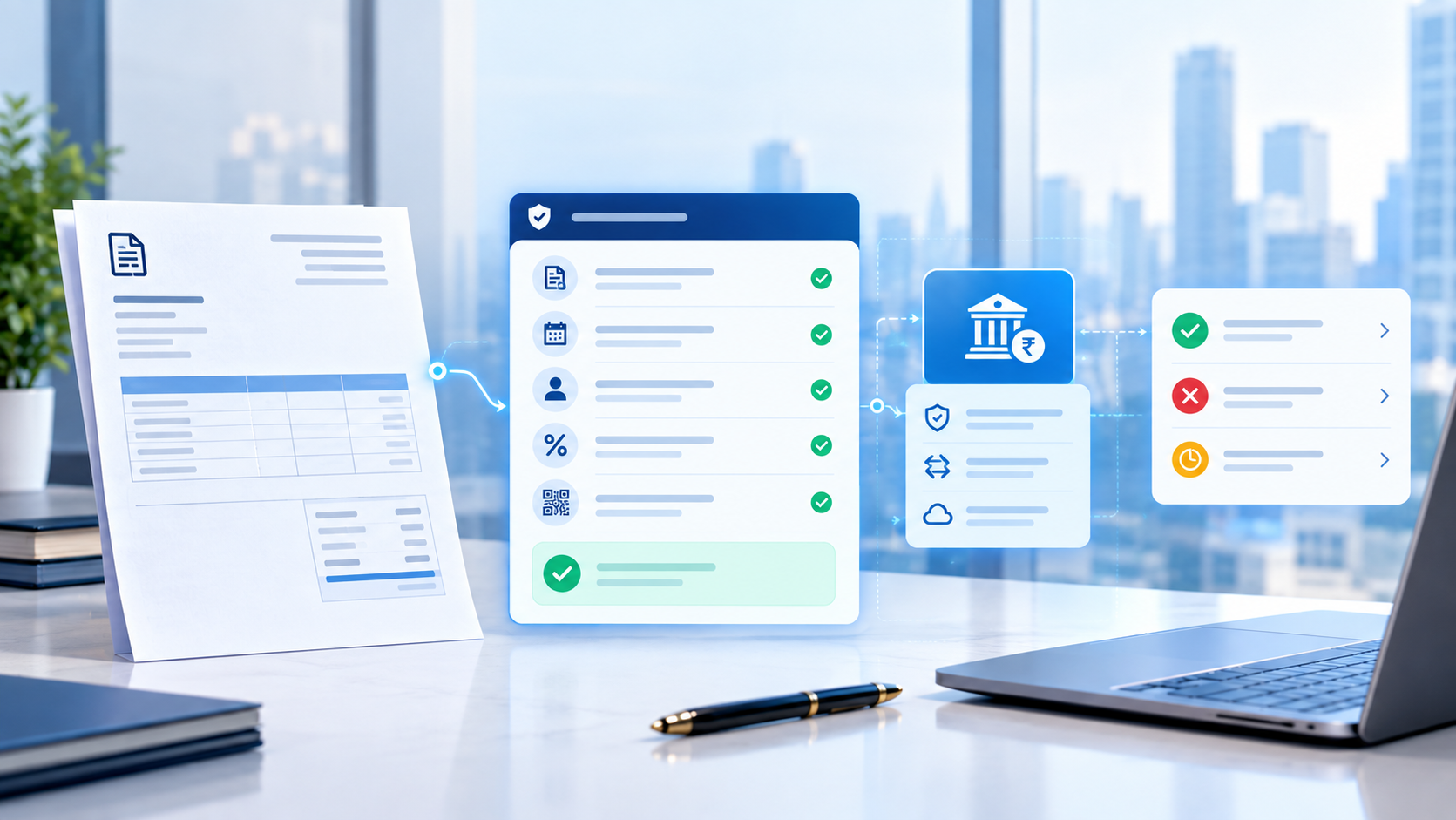

A corporation receives a wide variety of invoices that need to be cleared at different frequencies, and before different due dates. Some examples are rent, maintenance, electricity, water, gas bills, housekeeping expenses, security expenses, corporate credit card bills, broadband, hardware and software AMC bills. Major corporations need a system more advanced than calendar reminders to help them make these payments on time and to avoid additional charges.
Companies that operate out of multiple outlets, like banks, insurance companies, retail outlets, IT companies- each have anything between 10 to 1000 branches. Each branch handles about 15 such invoices every month. That comes upto a whopping 15,000 invoices recurring invoiced every month!!
The criticality of paying on time is paramount. Due diligence is simpler if there is a centralised and automated control on which invoices are expected month on month. But both objectives need to be met: timely payment AND automated controls.
Over their growth phase organizations come up with different approaches to manage this overwhelming onslaught of recurring payments. Some companies manage these expenses from their petty cash expenses (thereby compromising visibility and increasing petty cash management problems). Others decide to outsource this activity at an additional cost – just to get the bills paid on time.
As the world gets smarter, and bottom lines become dearer, the best approach to manage these bills is to automate the process. Automation will help ensure that recurring invoices are paid on or before time and deviations, if any, are highlighted while ensuring adequate scrutiny for authorisation.
Here is what to look out for in a system to help you manage these recurring expenses:
1. It’s in the details!
Only a domain expert knows that managing rent payments is very different from recurring utilities. There are situations where you may have to split the rent across multiple landlords in specific percentages, accommodate year-on-year fixed increments, and calculate different state and federal/central taxes. On the other hand, utility bills are based on consumption and are not the same every month. A good system, designed by domain experts, intrinsically takes care of such nuances, among other details
2. Exception Management

You don’t need to deliberate on whether you should pay the Corporate Credit card or Electricity bill for your retail branch. But you would certainly like to know if it is unusually high. What is the usual amount? Who is the right person to get notified if the amount is high?In the scenarios where such expenses are being handled through petty cash, getting visibility into these details can be quite challenging. One can forget about it if looking at a large number of branches. On the other hand, if the process is too controlled, these deviant bills can cause payment delays, attracting additional penalties. The system helps to execute an optimal solution and allows clear rules to be defined when dealing with exceptions
3. Configurability for changes in business scenarios

Nothing is set in stone, and neither should be your system (figuratively speaking!).For example, during the COVID lockdown wouldn’t you be surprised to get the same electricity bill from branches as before? If you had hundreds of branches, would it be easy to highlight the same in a manual process? In a system, you can simply change the configurations to highlight the exception limit to the new normal.The system should manage changes like changes in service providers, contract terms, auto-renewal of contracts, approval management, etc.
4. Integrated accounting

It’s not about simply paying bills. You need a system that can manage all cost allocation parameters like cost-centers, profit-centers, GL Codes, etc so that it can readily be integrated with the accounting system.Needless to say, recurring expenses and rent management systems should have all the configurability to amend the cost allocation parameters, when scaling up (or down).
5. Analytics
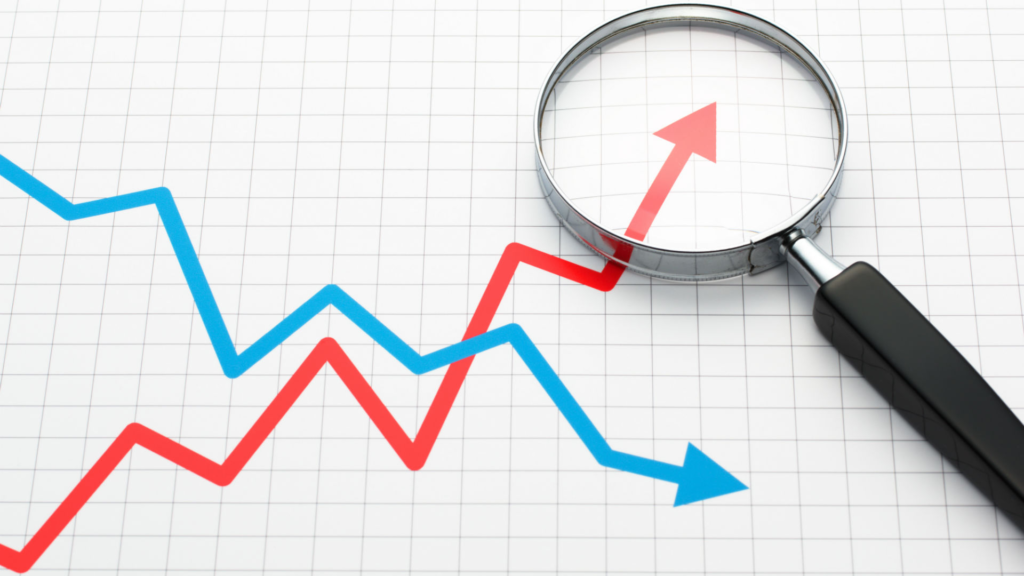
For Rent and Utility payments, a complex approval matrix may not be of much use but intelligent analytics will give insight into reducing these expenses. Reducing fixed expenses is a priority for any business. However, the usual attitude is of a shrug and dismissal when discussing how to bring Rent and Utility expenses down. A good system should help you analyze these expenses easily. Once there is an understanding of spend patterns across regions and geographies, based on types of expenses, it is almost too easy to come up with ideas that help reduce these costs that are otherwise ‘a necessary evil’.
A good system will therefore help you to – reduce your outsourcing expenses, give insight into these ‘fixed’ costs, help reduce A/P overload in recurring invoice numbers, should be integrated seamlessly with the accounting system, and most of all should be easy to use. You don’t need Alladin’s lamp to help you find such a system.
The product catalog of mature product companies like Expenzing reveals their exceptional percipience of these real-world problems that large and medium enterprises face. All the product offerings like Procure to Pay, Supplier Portal, Strategic Sourcing are focused on bringing costs down.
For Instance: The Expenzing Invoice Manager helps bring down the processing cost by about 70%. The Recurring Expenses and Rent Manager system is expressly designed to help bring the effort and time down by 90% when managing these expenses manually.
Now that’s revolutionary cost savings!