
10 Digital Trends that all Procurement Managers need to know!As much as we would like to believe otherwise, we still live, love and laugh in a world where sophisticated systems with AI and in-built domain knowledge have to compete with Microsoft Excel and Emails as tools for process management.While how you manage your processes may depend on your budget and digital priorities, ignorance is not bliss when it comes to cost reduction.Top 10 Digital Trends that all Procurement Managers NEED to know! Best described as optimizing channels and processes so that the total cost of purchase is lowest instead of just lowest purchase price. It is systematic and helps the purchase process to be easily auditable and improved. Processes like e-RFP, e-RFI and e-RFQ and Reverse Auction are part of Strategic Sourcing. Considering the dependency across different stakeholders that are part of the purchase process, it is impossible to do this efficiently without a specialized tool with appropriate functionality.
 Even small and medium businesses are recognizing the importance of a good Procure-to-Pay tool. An efficient tool helps to align the complete purchase process with accounting. It helps to create an items list, vendor list, helps assign cost parameters to the purchases, along with a granular level budget control, implements delegation of authority, and makes the purchase process audit friendly. Mature and large organizations expect their procure-to-pay systems to integrate seamlessly with the other systems like accounting systems, BI tools, HRMS, and strategic sourcing systems. Digital transformation of procurement and A/P and will no longer be a luxury, but a necessity for any organization.
 Gone are the days when suppliers would work in silos. Discerning organizations expect their vendors to match their pace on quality, technology, and efficiency. As a result, vendor management has become much more than just vendor contracts. Using a supplier portal, vendors can keep the client posted on delivery status, can raise their own invoices in the system, participate in vendor reviews, and win orders using e-RFP and reverse auctions – all in an auditable, digitally inclusive experience.
 In no organization, purchases are sometimes made without the right authorisations, and only at the time of payment are these discovered. The question remains as to who approved and for what amount, when and why? A ‘Delegation of Authority’ (DOA) matrix is a predetermined set of rules on who is entitled to approve purchases and upto what amount. It especially helps to save time in cross-department purchases. It’s important that procurement managers maintain and work to make it more optimized and efficient with each iteration. When looking for a system, one should look for one that is powerful enough to implement changing DOA matrixes across multiple levels.
 Reverse auctions are a nifty way of ensuring you get the best cost for every purchase. They can be easily conducted for items/services that are bought regularly, where quality provided by all participating vendors is more or less the same. Participating vendors need not be empaneled vendors yet- which makes it possible to cast a wider net for more attractive rates. Reverse auctions are usually conducted through an easy-to-use tool, where the buyer and sellers can all join together. It is simple, fast and delivers results. Experienced procurement managers should have tried this tool to see how best it can be leveraged.Bringing maximum operational purchases under rate contracts is already part of a procurement managers’ KPI. However, even mature organizations have a hard time ensuring that these optimally negotiated rates are actually referred to and enforced when purchases are made at the branches. Until now there were no tools to manage and control decentralized spends based on centralized rate cards. Automated contracts implemented within a mature product like Expenzing Procure to Pay ensures that for 100% items that have a rate contract, no matter where the purchase is being made.
 Analysis of data gives valuable insights into the performance of a business unit. Since procurement is a supporting function, it usually collaborates with almost all other functions, making it a source of all spend related data. Managers are expected to have a basic understanding of tools like Tableau, or even open source software like Superset, MongoDB, from which intelligent analytics can be derived. Recognizing this, some products like Expenzing Procure to Pay offer relevant reports in readymade, easy to read, downloadable formats. This insight can make a huge difference in optimizing spend.
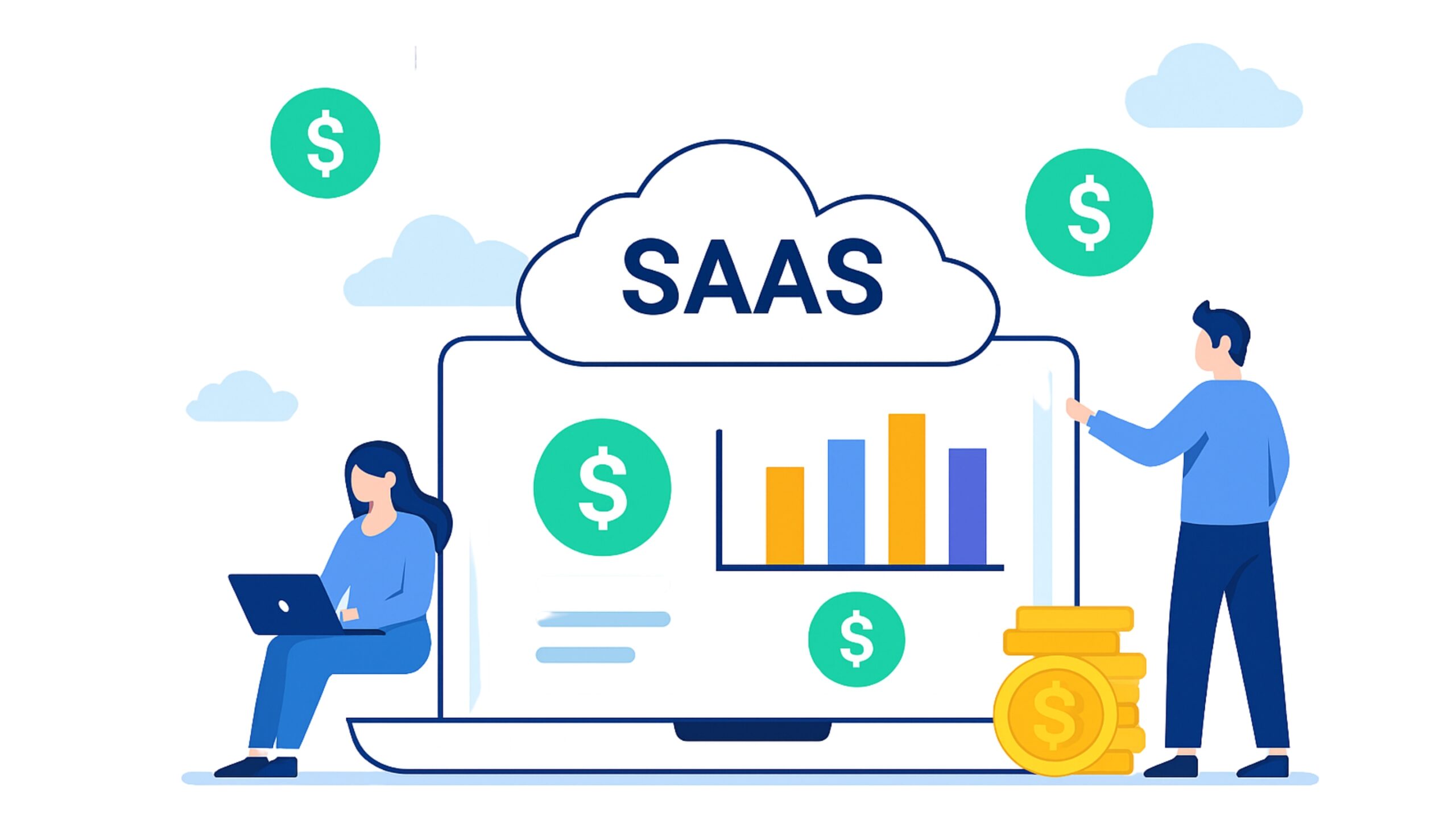
 SaaS, Implementation, APIs, Configurations, Customizations – these terminologies are no longer limited to only the IT team. An increasing number of organizations use products like eProcurement software, and it makes sense for Procurement Managers to know these terms. A Procurement Manager needs to, now additionally understand the difference between configurable change and customizable change, on-premise vs on Cloud to be able to understand costs and impact of business teams’ requirements.
 Asset Management software helps to create, track and allocate assets, and to conduct asset audits. Asset Management is the final step that closes procurement exercise after GRN, after which the finance team can calculate depreciation and update books accordingly. When organizations have multiple branches and a decentralized set up, this can be complex and difficult activity. Many mid-sized organisations are also choosing to implement systematic Asset Management Software.
 These days finance teams and procurement teams are working closer than ever. CFOs are interested in more holistic cost optimization rather than just accounts payables. That means cost parameters are attached, monitored and regulated right from the PR stage. Procurement Managers too, are constantly being asked to step beyond traditional methods and be comfortable with cost allocation parameters like cost centers, profit center, account head etc.As the lines dividing different business functions are blurring, software and tools as mentioned above bring in domain knowledge, expertise and an edge, within a short period of time.Watch this space for more on aspects of Financial Control and Software that help us achieve it.
- Strategic Sourcing / eProcurement
 Best described as optimizing channels and processes so that the total cost of purchase is lowest instead of just lowest purchase price. It is systematic and helps the purchase process to be easily auditable and improved. Processes like e-RFP, e-RFI and e-RFQ and Reverse Auction are part of Strategic Sourcing. Considering the dependency across different stakeholders that are part of the purchase process, it is impossible to do this efficiently without a specialized tool with appropriate functionality.
- Procurement and A/P Automation / Digital transformation
 Even small and medium businesses are recognizing the importance of a good Procure-to-Pay tool. An efficient tool helps to align the complete purchase process with accounting. It helps to create an items list, vendor list, helps assign cost parameters to the purchases, along with a granular level budget control, implements delegation of authority, and makes the purchase process audit friendly. Mature and large organizations expect their procure-to-pay systems to integrate seamlessly with the other systems like accounting systems, BI tools, HRMS, and strategic sourcing systems. Digital transformation of procurement and A/P and will no longer be a luxury, but a necessity for any organization.
- Supplier Portal
 Gone are the days when suppliers would work in silos. Discerning organizations expect their vendors to match their pace on quality, technology, and efficiency. As a result, vendor management has become much more than just vendor contracts. Using a supplier portal, vendors can keep the client posted on delivery status, can raise their own invoices in the system, participate in vendor reviews, and win orders using e-RFP and reverse auctions – all in an auditable, digitally inclusive experience.
- Tools to enforce the Delegation of Authority matrix
 In no organization, purchases are sometimes made without the right authorisations, and only at the time of payment are these discovered. The question remains as to who approved and for what amount, when and why? A ‘Delegation of Authority’ (DOA) matrix is a predetermined set of rules on who is entitled to approve purchases and upto what amount. It especially helps to save time in cross-department purchases. It’s important that procurement managers maintain and work to make it more optimized and efficient with each iteration. When looking for a system, one should look for one that is powerful enough to implement changing DOA matrixes across multiple levels.
- Reverse Auctions
 Reverse auctions are a nifty way of ensuring you get the best cost for every purchase. They can be easily conducted for items/services that are bought regularly, where quality provided by all participating vendors is more or less the same. Participating vendors need not be empaneled vendors yet- which makes it possible to cast a wider net for more attractive rates. Reverse auctions are usually conducted through an easy-to-use tool, where the buyer and sellers can all join together. It is simple, fast and delivers results. Experienced procurement managers should have tried this tool to see how best it can be leveraged.
- Digitally enforced Rate Contracts
 Bringing maximum operational purchases under rate contracts is already part of a procurement managers’ KPI. However, even mature organizations have a hard time ensuring that these optimally negotiated rates are actually referred to and enforced when purchases are made at the branches. Until now there were no tools to manage and control decentralized spends based on centralized rate cards. Automated contracts implemented within a mature product like Expenzing Procure to Pay ensures that for 100% items that have a rate contract, no matter where the purchase is being made.
- Frequent use of Business Intelligence and Reporting of expenses
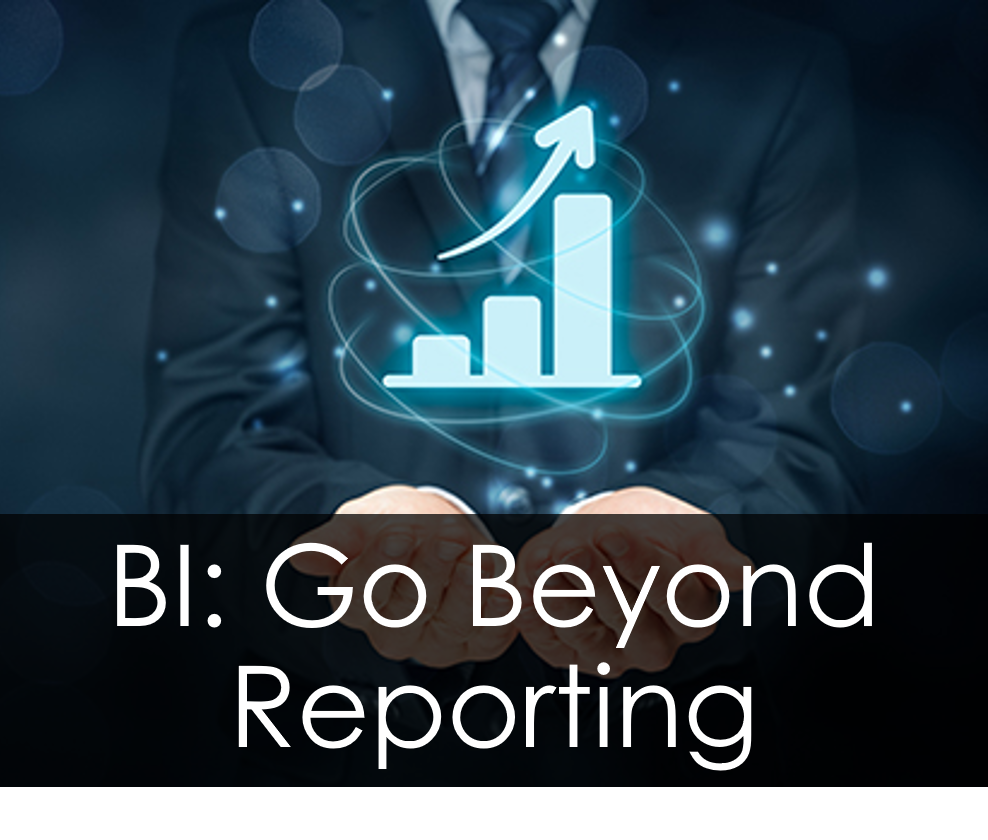 Analysis of data gives valuable insights into the performance of a business unit. Since procurement is a supporting function, it usually collaborates with almost all other functions, making it a source of all spend related data. Managers are expected to have a basic understanding of tools like Tableau, or even open source software like Superset, MongoDB, from which intelligent analytics can be derived. Recognizing this, some products like Expenzing Procure to Pay offer relevant reports in readymade, easy to read, downloadable formats. This insight can make a huge difference in optimizing spend.
- Technology 101: SaaS & Software Configurability-
 SaaS, Implementation, APIs, Configurations, Customizations – these terminologies are no longer limited to only the IT team. An increasing number of organizations use products like eProcurement software, and it makes sense for Procurement Managers to know these terms. A Procurement Manager needs to, now additionally understand the difference between configurable change and customizable change, on-premise vs on Cloud to be able to understand costs and impact of business teams’ requirements.
- Tracking Software for Asset Management-
 Asset Management software helps to create, track and allocate assets, and to conduct asset audits. Asset Management is the final step that closes procurement exercise after GRN, after which the finance team can calculate depreciation and update books accordingly. When organizations have multiple branches and a decentralized set up, this can be complex and difficult activity. Many mid-sized organisations are also choosing to implement systematic Asset Management Software.
- Financial Control and Cost Parameters
 These days finance teams and procurement teams are working closer than ever. CFOs are interested in more holistic cost optimization rather than just accounts payables. That means cost parameters are attached, monitored and regulated right from the PR stage. Procurement Managers too, are constantly being asked to step beyond traditional methods and be comfortable with cost allocation parameters like cost centers, profit center, account head etc.As the lines dividing different business functions are blurring, software and tools as mentioned above bring in domain knowledge, expertise and an edge, within a short period of time.Watch this space for more on aspects of Financial Control and Software that help us achieve it.